
Safeguarding Your Property Investment: What You Need to Know
Looking for home buyers protection insurance money saving expert advice? Here’s what you need to know:
- Home Buyers Protection Insurance costs typically start from £69
- Covers up to £2,500 in lost fees if a property purchase falls through
- Approximately 1 in 3 property purchases fail to complete
- Must be purchased before or within 14 days of instructing a solicitor
- Not eligible if you’ve already had a survey completed
- Coverage includes conveyancing fees, survey costs, and mortgage arrangement fees
Home buyers protection insurance money saving expert analysis shows this coverage provides essential financial protection during one of life’s most stressful transactions. When purchasing a home, you’re not just investing in property—you’re investing time and money into various fees before completion. With around 30% of property purchases falling through due to issues like gazumping, chain breaks, or mortgage problems, this insurance safeguards the money you’ve already spent if your purchase collapses.
“Buying a home is stressful enough without the financial worry of your purchase falling through.”
I’m Michael J. Alvarez, CPRM, CPIA, a Property & Casualty risk executive with extensive experience helping homebuyers steer protection options including home buyers protection insurance money saving expert recommendations across the Florida and New Jersey markets. My expertise in customized coverage solutions ensures you’ll understand exactly how to shield your investment throughout the home buying process.
Home buyers protection insurance money saving expert terms simplified:
– home insurance money saving expert
– compare home insurance prices
– find affordable home insurance
Home Buyers Protection Insurance: A Money Saving Expert’s Guide

Imagine this: you’ve found your dream home, spent weeks going through paperwork, paid for surveys, and arranged your mortgage—only to have the whole thing fall apart at the last minute. Heartbreaking, right? But what about the money you’ve already spent? This is where home buyers protection insurance comes into play, and as a money saving expert, I can’t stress its importance enough.
When you’re about to make what’s likely the biggest purchase of your life, protecting that investment isn’t just smart—it’s essential. Home Buyers Protection Insurance acts as your financial safety net during the nerve-wracking journey to homeownership. It’s designed to catch you if you fall, or more specifically, if your property purchase falls through.

Did you know that approximately 1 in 3 property purchases collapse before completion? That’s a startling statistic that keeps me up at night! Those failed purchases leave buyers not just emotionally crushed but often thousands of pounds out of pocket. Yet surprisingly, many people don’t find this type of insurance until after they’ve already lost money on a failed purchase.
“Buying a home is stressful enough without the financial worry of your purchase falling through.”
Here at NUsure, I’ve seen the relief on clients’ faces when they realize this protection exists, especially in today’s property market where competition is fierce and practices like gazumping (when a seller accepts a higher offer after already accepting yours) have become sadly common.
What is Home Buyers Protection Insurance?
Think of Home Buyers Protection Insurance as a financial umbrella that opens precisely when the rain starts pouring on your property purchase plans. Unlike your standard homeowners insurance that kicks in after you’ve got the keys, this specialized policy focuses exclusively on protecting the money you spend before you ever own the home.
This insurance is specifically designed to reimburse you for expenses you’ve already paid (or are contractually obligated to pay) if your property purchase collapses for reasons outside your control. Conveyancing fees for property transfer, survey and valuation fees to check the property’s condition, and mortgage arrangement fees that you’ve already handed over—all these could be recovered if your purchase falls through.
I always tell first-time buyers that this isn’t about protecting bricks and mortar—it’s about protecting the hard-earned cash you invest during the purchasing process. Many people don’t realize they could be out over £2,500 if a purchase collapses. That’s money that could otherwise furnish your new living room or build your emergency fund!
How Does It Work?
The beauty of Home Buyers Protection Insurance lies in its simplicity, though timing is everything (isn’t it always in real estate?).
First, you’ll need to purchase your policy either before you instruct your solicitor or within 14 days of doing so. Miss this window, and you’ll miss out on protection—something I’ve seen happen to buyers who didn’t realize the importance of acting quickly.
Once purchased, your coverage springs into action immediately and typically lasts between 120-180 days, giving you protection throughout the standard timeline for most property purchases. If the worst happens and your purchase falls through due to a covered reason, you’ll submit evidence of the failed transaction along with proof of your expenses.
After your claim is approved, the insurer reimburses you for those covered expenses up to your policy limits. It’s worth noting that this operates on a reimbursement basis—you’ll still need to pay your fees upfront, but you can claim them back if things go sideways for a covered reason.
One important point that home buyers protection insurance money saving expert reviews consistently highlight: this insurance won’t cover you if you simply change your mind about buying. The protection is for circumstances beyond your control, not buyer’s remorse!
I’ve seen this insurance save people from significant financial setbacks when sellers suddenly withdraw properties from the market or when mortgage applications unexpectedly fail despite initial approval. In today’s unpredictable property market, having this safety net just makes good financial sense.
Want to learn more about protecting your property purchase? Check out our Home Buyers Protection – Is it something I should consider? guide for additional insights.
Common Reasons Property Purchases Fall Through
The journey to homeownership is rarely a straight path. Even after finding your dream home and having an offer accepted, there’s still a significant chance things might solve before you get the keys. Understanding why property purchases collapse can help you assess whether home buyers protection insurance makes sense for your situation.

The property market can be unpredictable, and unfortunately, about one-third of all home purchases never make it to completion. When I talk with clients at NUsure, I often hear stories of heartbreak and financial loss that could have been prevented with the right protection in place.
Gazumping remains one of the most frustrating experiences for homebuyers. This happens when you’ve had an offer accepted, started the purchasing process, and then the seller accepts a higher offer from someone else. It’s particularly common in hot markets where properties are in high demand. Recent research indicates that 31% of homeowners have experienced this disappointing scenario.
Mortgage complications can appear seemingly out of nowhere. You might have a mortgage in principle, but when the lender conducts their official valuation, they might decide the property isn’t worth what you’ve agreed to pay. Alternatively, changes in your financial situation between application and completion could affect your eligibility.
Finding out about significant problems during a property survey can quickly turn excitement into anxiety. From structural issues to damp problems, finding that your dream home needs expensive repairs often leads to renegotiations or complete withdrawal from the purchase.
The dreaded property chain adds another layer of complexity. Your purchase might depend on several other transactions completing successfully. If just one person in that chain encounters problems, it can create a domino effect affecting everyone involved. I’ve seen chains with as many as eight properties collapse because of an issue with just one transaction.
Sometimes, sellers simply change their minds. Perhaps they’ve decided not to move after all, or family circumstances have changed. While frustrating, this happens more often than you might think, especially during uncertain economic periods.
Legal complications can emerge during the conveyancing process that neither you nor the seller knew about. Title problems, boundary disputes, or issues with planning permission can all throw a wrench in your plans.
Valuation discrepancies between the agreed purchase price and what lenders believe the property is worth continue to be a significant problem. If there’s a substantial gap, you might need to find additional funds to bridge the difference or walk away from the purchase entirely.
The 2025 property fall-through rate hovers around 35%, highlighting just how common these issues are in today’s market. What makes this particularly concerning is that as a buyer, you often have little control over many of these factors, yet still face the financial consequences when transactions collapse.
That’s exactly why home buyers protection insurance money saving expert analysis consistently recommends considering this coverage—it provides peace of mind and financial protection during one of life’s most significant and potentially stressful transactions.
What Does Home Buyers Protection Insurance Cover?
When you’re navigating the complex world of property purchases, understanding what protection you’re actually getting is crucial. Let’s break down exactly what home buyers protection insurance money saving expert analysis reveals about these policies.
Costs Typically Covered
Home Buyers Protection Insurance acts as your financial safety net during the property purchasing process. If your dream home purchase falls through for reasons beyond your control, this insurance steps in to reimburse you for money you’ve already spent.
Most policies cover the major expenses you incur before completion. Your conveyancing fees—those legal costs associated with transferring property ownership—typically receive the highest level of coverage, usually between £750 and £2,000 depending on your policy tier.
Survey and valuation fees are another significant expense that’s protected. Whether you’ve paid for a basic homebuyer report or a comprehensive building survey, most policies will reimburse between £500 and £1,000 of these costs if your purchase collapses.
Those mortgage arrangement fees—the sometimes painful charges from lenders to set up your mortgage—don’t have to be money down the drain if things go wrong. Policies typically cover between £250 and £500 of these costs.
If you’ve worked with a mortgage broker to find your best financing options, premium policies often include coverage for their fees too, typically up to £500. And those essential search fees for local authority, environmental, and water searches? Many policies cover these up to £500 as well.
One important point to remember: property deposits are typically NOT covered by these policies. This is a crucial distinction since deposits often represent the largest sum of money involved in the early stages of a purchase.
Coverage Limits and Packages
At NUsure, we’ve analyzed the market and found most insurers offer tiered packages that cater to different needs and budgets.
The Essential or Standard packages (typically priced between £69-£74) provide basic but meaningful coverage: up to £750 for conveyancing fees, £500 for survey costs, and £250 for mortgage arrangement fees. These policies usually protect you for 120 days from purchase—enough time for most straightforward property transactions.
Step up to a Premium or Plus package (around £139-£144), and you’ll see your coverage limits increase substantially: up to £1,500 for conveyancing, £750 for surveys, and £500 for mortgage fees. These policies also tend to offer longer protection periods of about 180 days, giving you extra breathing room if your purchase timeline stretches out.
For those purchasing higher-value properties or expecting to incur significant fees, Premier packages (approximately £189) offer the most comprehensive protection. With up to £2,000 for conveyancing fees, £1,000 for surveys, and improved coverage across all categories including search fees and broker fees, these top-tier policies provide maximum peace of mind during your 180-day coverage period.
“The average cost of a property purchase falling through is over £2,500.”
This sobering statistic puts the value of these policies into perspective. When home buyers protection insurance money saving expert reviews consider that the average claim amount in 2025 was just over £900, even the most basic package starting at £69 represents solid value compared to what you could potentially lose.
Think of it this way: for roughly the cost of a nice dinner out, you can protect yourself from losing thousands if your property purchase hits an unexpected roadblock. That’s the kind of insurance math that actually makes sense for most homebuyers.
How Much Does Home Buyers Protection Insurance Cost?
When you’re already budgeting for a home purchase, the last thing you want is another expensive outlay. Fortunately, home buyers protection insurance money saving expert reviews consistently highlight one key advantage of this coverage – its remarkable affordability compared to what’s at stake.
At NUsure, we’ve found that basic protection typically starts from just £69, with more comprehensive packages ranging from £139 to £189. To put this in perspective, you’re investing less than the cost of a nice dinner out to protect potentially thousands in fees and expenses.
Think about it this way – the average failed property transaction costs buyers over £2,500 in lost fees. That means you’re paying less than 3% of your potential loss for complete peace of mind throughout the buying process. It’s rather like buying a safety net for pennies on the pound.
The exact cost of your policy will depend on several factors. Coverage level is naturally the biggest influence – those basic £69 policies provide essential protection, while premium options in the £139-£189 range offer higher reimbursement limits and longer coverage periods. Most standard policies protect you for 120 days, while premium packages typically extend to 180 days – giving you that extra breathing room during complicated purchases.
Unlike many insurance products that leave you with an excess to pay when claiming, most Home Buyers Protection policies offer full reimbursement up to your policy limits once a claim is approved. No hidden deductibles, no surprise fees – just straightforward protection when you need it most.
In today’s unpredictable property market, where gazumping has made an unwelcome comeback and mortgage approvals face increased scrutiny, this modest investment provides genuine financial security during what’s already one of life’s most stressful experiences.
When clients ask me whether it’s worth the cost, I often ask them how they’d feel about losing £1,000 in survey and legal fees through no fault of their own. The small premium suddenly makes perfect sense when viewed through that lens.
More info about Home Insurance Quotes
Home Buyers Protection Insurance – Is it something I should consider?
Is Home Buyers Protection Insurance Worth It for You?
Let’s face it – buying a home is already expensive enough without losing money on a failed purchase. But is protection insurance actually worth the extra cost? The answer depends on your unique situation, and I’m here to help you figure that out.
A Money Saving Expert’s Perspective

When I talk to clients at NUsure about home buyers protection insurance money saving expert advice, I always start by looking at their personal circumstances. This isn’t a one-size-fits-all decision.
If you’re buying in a red-hot property market where gazumping happens regularly, your risk level is naturally higher. Just last month, I worked with a family in New Jersey who lost out on their dream home when another buyer swooped in with a higher offer at the last minute. Without protection insurance, they were out nearly $2,100 in survey and legal fees. That’s a painful lesson.
Your position in a property chain matters tremendously too. The longer the chain, the more vulnerable you are. Think of it like dominoes – if any single transaction falls through, it can topple everything. I’ve seen many clients breathe a huge sigh of relief when their policy covered their losses after a chain collapse.
The property type itself can be a risk factor. Older homes, listed buildings, or properties with unusual features often come with higher chances of survey surprises or legal complications. One client in Miami was purchasing a charming 1920s bungalow, only to find significant foundation issues during the survey. When the sale fell apart, their insurance covered the $1,800 they’d already spent on fees and assessments.
Consider your financial cushion honestly. Could you comfortably absorb a $2,500+ loss right now? For most of us, that’s a significant amount that could otherwise go toward moving expenses, new furniture, or simply building your emergency fund. If losing that money would cause real hardship, the insurance premium starts looking like a bargain.
Your own risk tolerance matters too. Some of us sleep better knowing we’re protected, while others are comfortable rolling the dice. There’s no wrong answer here – it’s about what helps you steer the home-buying process with confidence.
What I’ve found most telling is that clients who’ve previously lost money on a failed purchase almost always opt for protection the next time around. Nothing makes you appreciate insurance quite like having needed it in the past!
For about the cost of a nice dinner out, you can protect yourself against thousands in potential losses. When you look at the math – a 1-in-3 chance of your purchase falling through and an average loss exceeding $2,500 – paying $69-$189 for protection starts to make a lot of sense for most buyers.
I recently helped a Miami client who was simultaneously selling their existing home while buying a new one. When their buyer’s mortgage application was rejected unexpectedly, their entire purchase plan collapsed. Their protection insurance reimbursed over $2,000 in fees they’d already paid. During an already stressful situation, having that financial safety net made a world of difference.
The bottom line? In today’s unpredictable property market, home buyers protection insurance money saving expert analysis suggests this coverage represents good value for most buyers. But the final decision should always reflect your unique circumstances and comfort with risk.
Home Buyers Protection – Is it something I should consider?
Limitations and Exclusions of Home Buyers Protection Insurance
When shopping for Home Buyers Protection Insurance, I always tell my clients that understanding the fine print isn’t just important—it’s essential. Like any insurance product, these policies come with specific limitations that could affect your coverage when you need it most.
Understanding the Fine Print
I’ve seen too many disappointed homebuyers who assumed they were protected, only to find their policy wouldn’t cover their situation. Let’s clear up what you need to know about these limitations before you purchase.
The timing of your policy purchase is perhaps the most critical factor. You must buy your policy either before or within 14 days of instructing your solicitor or submitting your mortgage application. This catches many buyers off guard, as they often don’t consider insurance until they’re deeper into the process. By then, it’s simply too late.
Another surprising restriction: if you’ve already had a property survey completed before taking out the policy, you won’t be eligible for coverage. This highlights why considering home buyers protection insurance money saving expert advice early in your home buying journey is so important—timing really is everything.
Your conveyancing matters too. To qualify for coverage, you must use a professional solicitor or licensed conveyancer for your property purchase. DIY legal work won’t be covered if things go wrong.
When it comes to exclusions, voluntary withdrawal tops the list. If you simply change your mind about buying the property, don’t expect the insurance to cover your costs. The policy is designed for situations beyond your control, not buyer’s remorse.
Properties bought at auction typically aren’t covered either. The unique risks and compressed timelines of auction purchases make them too unpredictable for standard policies. Similarly, repossessed properties usually fall outside coverage parameters due to their special circumstances and often accelerated sales processes.
One exclusion that surprises many buyers is that the deposit paid to secure the property generally isn’t covered. Given that this can be the largest sum at stake, it’s an important limitation to understand.
Properties requiring completion within 28 days often fall outside coverage parameters. This quick timeline is common with certain auctions and repossessions, creating another reason these property types typically aren’t covered.
If you already knew about issues that could potentially derail your purchase before taking out the policy, these “pre-existing conditions” won’t be covered. For example, if you were aware of serious structural problems before getting insurance, a claim related to those issues would likely be denied.
Most policies only cover property transactions within the UK. If you’re looking at that dream villa in Spain or apartment in France, you’ll need to explore other protection options.
Time limits matter too. Most policies have a defined duration—typically 120 to 180 days. If your purchase drags on beyond this period, you might find yourself unprotected during the final stages unless you extend your coverage.
All these limitations underscore why home buyers protection insurance money saving expert recommendations often emphasize securing coverage as early as possible in the buying process. The small window of eligibility combined with the specific exclusions means that timing your purchase correctly is almost as important as having the coverage itself.
At NUsure, we’ve seen clients save thousands by understanding these limitations upfront and securing appropriate coverage before they’ve committed to significant expenses. The peace of mind that comes from knowing exactly what is and isn’t covered makes the home buying process much less stressful—and potentially much less costly if things don’t go as planned.
Home Buyers Protection – Is it something I should consider?
Home Buyers Protection Insurance vs. Other Home Insurance Types
When I’m talking with first-time homebuyers, one of the most common questions I hear is: “Isn’t this just another type of home insurance?” It’s a great question, and understanding the difference is crucial for protecting yourself at every stage of homeownership.
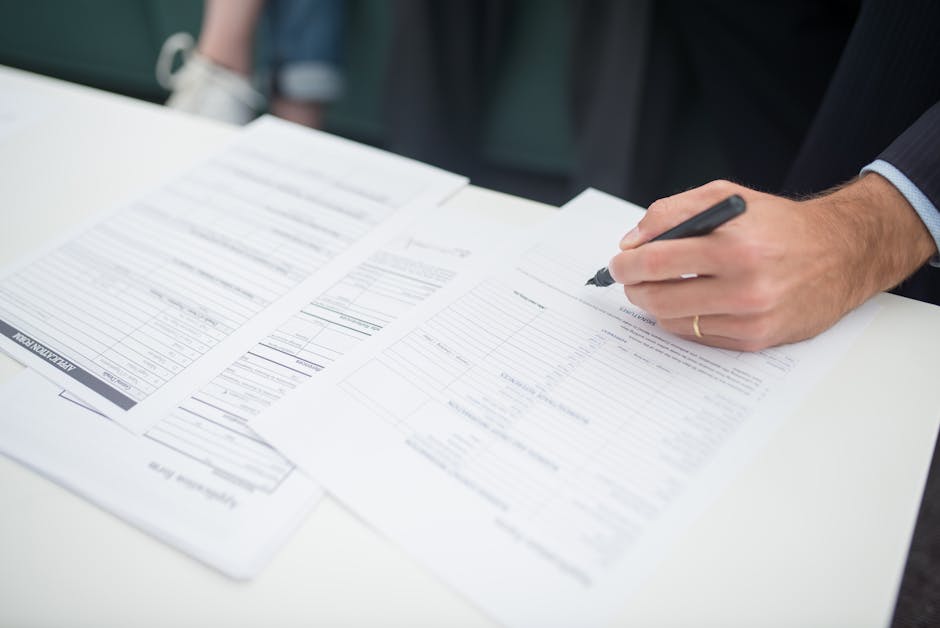
Think of home buyers protection insurance as your safety net during the buying process, while traditional homeowners insurance becomes your shield once you’ve got the keys in hand. They’re designed for completely different phases of your property journey.
When you’re working with a home buyers protection insurance money saving expert, they’ll explain that this specialized coverage is all about protecting the money you spend before you own the home. It’s there to catch you if your dream home slips through your fingers due to circumstances beyond your control.
Imagine you’ve paid for surveys, legal fees, and mortgage arrangements – potentially thousands of pounds – only to have the seller accept a higher offer at the last minute. Without protection insurance, that money is simply gone. With it, you can reclaim those costs and move forward with your next property search without the financial setback.
Homeowners insurance, on the other hand, kicks in the moment you complete your purchase. It protects the physical building, your possessions inside it, and provides liability coverage if someone gets injured on your property. While absolutely essential, it does nothing to protect you during the buying process.
The cost difference is significant too. Home buyers protection typically costs between £69-£189 as a one-time payment, while homeowners insurance might run into hundreds or thousands annually depending on your property value and location.
“Most people wouldn’t dream of owning a home without insurance,” says Michael at NUsure, “but many don’t realize they can protect themselves during the buying process too, often for less than the cost of a nice dinner out.”
There are other insurance products that sometimes get confused with these two main types:
Mortgage Payment Protection Insurance helps cover your monthly mortgage payments if you become ill, injured, or involuntarily unemployed. Unlike home buyers protection, this begins after you’ve secured the mortgage and continues as long as you pay the premiums.
Title Insurance is another specialized product that protects against problems with the property’s title that weren’t finded during the initial search. You pay once at closing, and it covers you for as long as you own the home.
At NUsure, we believe in helping you understand exactly what protection you need at each stage of homeownership. The right insurance isn’t about paying for coverage you don’t need – it’s about having the right shield at the right time.
While home buyers protection insurance money saving expert advice often focuses on the value proposition of this coverage, the true benefit is the peace of mind it provides during what’s already one of life’s most stressful experiences.
More info about Homeowners Insurance
Real-Life Scenarios Where Home Buyers Protection Insurance Helps
Sometimes the best way to understand the value of insurance is to see how it works in real situations. At NUsure, we’ve helped countless homebuyers recover financially after their property purchases fell through. Let me share some genuine examples that show exactly why this protection matters.
Case Studies
Scenario 1: Gazumping Protection
Sarah had finally found her dream home in a competitive Miami neighborhood. After months of searching, her offer of $450,000 was accepted, and she felt that wonderful mix of excitement and relief. She promptly instructed her attorney, scheduled a home inspection, and applied for her mortgage.
Three weeks into the process, she received devastating news – the seller had accepted a higher offer of $465,000 from another buyer. Sarah was heartbroken, but the financial sting made it even worse. She had already spent $1,200 on legal fees, $550 on a home inspection, and $400 on mortgage arrangement fees.
That’s $2,150 that would have simply vanished without her home buyers protection insurance money saving expert recommended policy. Instead, Sarah received reimbursement for these costs, giving her the financial freedom to begin her property search again without that additional burden weighing her down.
Scenario 2: Mortgage Valuation Issues
James and Emma thought they’d found the perfect family home at $350,000. Like most buyers, they paid for conveyancing services, commissioned a survey, and submitted their mortgage application fees. Everything seemed to be progressing smoothly until the mortgage lender’s valuation arrived.
The property was valued at only $315,000 – less than 90% of their agreed purchase price. Their lender refused to provide the full mortgage amount, creating a significant funding gap. Despite negotiations, the seller wouldn’t budge on price, and James and Emma couldn’t make up the difference.
Their purchase collapsed, but their home buyers protection insurance money saving expert policy meant they weren’t out of pocket for the $900 on conveyancing, $450 on their survey, and $300 in mortgage fees. That $1,650 reimbursement preserved their deposit savings for their next property attempt.
Scenario 3: Chain Break
Michael’s growing family needed more space, so he was selling his current home to buy a larger property. The process was moving along nicely – until a buyer further down the chain had their mortgage application rejected unexpectedly. Like dominoes falling, the entire chain collapsed.
Michael was devastated – not just emotionally but financially too. He’d already paid $1,100 in legal fees, $500 for a comprehensive building survey, and $350 in mortgage arrangement fees. That’s nearly $2,000 that could have disappeared.
Thankfully, his Home Buyers Protection Insurance covered these costs entirely. This meant Michael could preserve his moving budget while regrouping and finding another buyer. As he later told us, “That insurance payment didn’t just reimburse my costs – it gave me the confidence to try again.”

What’s particularly telling about these stories is that they’re not unusual exceptions – they represent everyday situations that homebuyers face in 2025. In fact, our claims data shows the average claim amount in 2025 was just over £900, which means even a basic policy typically provides meaningful reimbursement that more than justifies the premium cost.
I’ve seen the relief on clients’ faces when they receive their reimbursement check after a failed purchase. It’s not just about the money – though that certainly helps – it’s about removing one significant stress factor during an already disappointing time. When your dream home slips through your fingers, the last thing you need is to be counting your losses too.
How to Choose the Right Home Buyers Protection Insurance Policy
Shopping for the perfect Home Buyers Protection Insurance policy doesn’t have to be overwhelming. With a few insider tips, you can find coverage that fits your specific home buying journey like a glove.
Tips from a Money Saving Expert
When I’m helping clients at NUsure find the right protection, I always start by looking at what matters most to them. After all, every home purchase is unique!
First, take a close look at the coverage limits offered. In expensive areas like parts of Miami or New Jersey, professional fees tend to run higher than the national average. If you’re buying in these markets, you’ll want a premium policy with higher reimbursement caps for conveyancing, surveys, and mortgage fees. Basic policies might cover up to £750 for legal fees, while premium options could protect you for up to £2,000 – that difference matters if your purchase falls through.
Policy duration is another crucial factor that home buyers protection insurance money saving expert reviews often highlight. Standard policies typically protect you for 120 days, but if you’re navigating a complex purchase or long property chain, consider upgrading to a premium option with 180 days of coverage. I’ve seen too many clients whose transactions stretched just beyond their coverage period – don’t let that happen to you!
Pay special attention to the specific inclusions in each policy. Some buyers are surprised to learn that certain premium policies cover mortgage broker fees or local authority search costs, while basic ones don’t. If you’re working with a mortgage broker (as many first-time buyers do), this additional coverage could save you hundreds if your purchase collapses.
The claim conditions vary significantly between insurers. Some policies only pay out for a limited set of circumstances, while others offer more comprehensive protection. I always recommend reading through the specific situations covered – particularly how the policy handles seller withdrawal, which is one of the most common reasons purchases fall through.
Understanding exclusions is perhaps even more important than knowing what’s covered. Most policies won’t cover properties bought at auction, repossessions, or purchases requiring completion within 28 days. And remember – timing is everything! You typically need to purchase the policy before or within 14 days of instructing a solicitor or applying for a mortgage.
Don’t overlook provider reputation when making your choice. At NUsure, we only partner with insurers who have proven track records for customer service and efficient claims processing. A policy is only as good as the company backing it, especially when you’re dealing with the stress of a failed property purchase.
Finally, consider your own risk profile and budget. While the premium for Home Buyers Protection Insurance is relatively small (starting at just £69), there’s still a range of options. As a home buyers protection insurance money saving expert, I typically recommend at least middle-tier coverage for most buyers, as it strikes a good balance between affordability and protection.
Finding the right policy doesn’t have to be complicated. At NUsure, we simplify the process by comparing options from multiple top-rated carriers, explaining the differences in plain English, and helping you understand which features matter most for your specific situation.
More info about Compare Home Insurance Prices
Steps to Take When Making a Claim
If your property purchase falls through due to a covered reason, knowing how to steer the claims process efficiently can help reduce stress during an already disappointing time.
Navigating the Claims Process

I’ve guided dozens of disappointed homebuyers through the claims process at NUsure, and I can tell you that while it’s never fun to have a purchase fall through, getting your money back doesn’t have to be another headache.
The first thing you’ll need to do is notify your insurer promptly. Most policies require you to let them know within 30-45 days of your purchase collapsing. Don’t wait until the last minute—the sooner you start the process, the sooner you’ll get your money back.
Next comes the paperwork. You’ll need to gather documentation that proves both why the purchase fell through and what you’ve spent. This includes those emails from the seller backing out, receipts for your survey, bank statements showing fee payments, and correspondence with your solicitor. I always tell clients to keep a dedicated folder (digital or physical) for all purchase-related documents from day one—it makes this step so much easier.
When it’s time to complete the claim forms, take your time and be thorough. It’s tempting to rush through this step when you’re already dealing with the disappointment of a failed purchase, but missing information is the number one reason claims get delayed. Think of it as telling the story of what happened—the insurer needs the complete picture.
After submitting your claim through your insurer’s preferred method (usually an online portal these days), be prepared to respond to any queries they might have. Insurers sometimes need clarification on specific points, and a prompt response keeps your claim moving forward.
Don’t be shy about tracking your claim status. Most insurers provide a reference number you can use to check progress online or by phone. As a home buyers protection insurance money saving expert, I’ve found that staying engaged with the process often leads to faster resolution.
Once approved, you’ll receive reimbursement typically within 2-4 weeks, usually via direct bank transfer. I’ve seen the relief on clients’ faces when that money comes back—it’s not just about the cash, but about having one less worry during what’s already a stressful time.
Watch out for common pitfalls that can trip up your claim. Missing documentation is by far the most frequent issue I see. Also, be aware of timing requirements—waiting too long to notify the insurer can invalidate your claim entirely. Make sure you’re only claiming for covered events (check your policy details), and remember that there are coverage limits for each expense category.
I remember helping a client in Miami last year who almost missed out on $1,800 in reimbursement because she didn’t realize her policy required notification within 30 days. We managed to get the claim submitted just in time, and the relief when her claim was approved was palpable. She could restart her home search without the financial setback hanging over her.
The claims process might seem daunting, but it’s actually quite straightforward when you know what to expect. At NUsure, we’re always happy to provide guidance throughout the process, ensuring you receive the reimbursement you’re entitled to with minimal stress and delay.
Frequently Asked Questions about Home Buyers Protection Insurance
If you’re considering this coverage, you probably have questions. As an insurance advisor who’s helped hundreds of homebuyers steer this decision, I’ve gathered the most common questions we receive at NUsure:
Is Home Buyers Protection Insurance worth getting?
This is perhaps the question I hear most often, and my answer is typically yes for most buyers. When you consider that approximately 1 in 3 property purchases fall through and the average cost of a failed transaction exceeds £2,500, the premium (starting at just £69) represents excellent value.
Home buyers protection insurance money saving expert analysis consistently recommends this coverage, especially if you’re buying in a competitive market or involved in a property chain. I’ve seen the relief on clients’ faces when they receive reimbursement after a disappointing purchase collapse – it doesn’t take away the emotional letdown, but it does ease the financial sting.
First-time buyers particularly benefit from this protection, as they often have limited financial reserves to absorb unexpected losses. Similarly, if you’re in a complex chain situation where multiple transactions need to align perfectly, your risk increases substantially.
What are the eligibility criteria?
Understanding eligibility is crucial before you commit. To qualify for Home Buyers Protection Insurance, you’ll need to:
Purchase the policy early – specifically before or within 14 days of instructing a solicitor or applying for a mortgage. This timing requirement catches many buyers off guard, so I always recommend considering this insurance as soon as your offer is accepted.
You must not have already had a survey carried out on the property before the policy start date. This is a significant limitation that underscores the importance of getting coverage early.
The property transaction must involve a qualified solicitor or licensed conveyancer – DIY legal work won’t be covered.
The property must be a residential property in the UK, not abroad.
Auction properties and repossessions are typically excluded from coverage.
Properties requiring completion within 28 days are generally not eligible.
These requirements highlight why timing is everything with this insurance. I always tell my clients to think about protection options the moment their offer is accepted.
Can I take out cover if I have already had a survey carried out?
Unfortunately not. This is one of the most important limitations to understand. If you’ve already commissioned a survey before purchasing the policy, you won’t be eligible for coverage. The reasoning is straightforward – the survey might reveal issues that could increase the likelihood of the purchase falling through, creating what insurers call “adverse selection.”
This restriction is why home buyers protection insurance money saving expert advice consistently emphasizes securing coverage at the earliest possible stage of your purchase. Ideally, you should consider this insurance immediately after your offer is accepted, before you start spending money on surveys and other services.
Does the policy cover properties bought at auction?
No, auction properties fall outside the scope of this insurance. The unique risks and compressed timelines associated with auction purchases make them too unpredictable for standard policies. Auctions typically require completion within 28 days, which triggers another common exclusion clause.
If you’re purchasing at auction, you’ll need to accept that this particular financial protection isn’t available, and budget accordingly for the possibility of lost fees.
How long does the coverage last?
Standard policies provide coverage for 120 days from the policy start date, while premium options extend this to 180 days. For most property purchases, this duration is sufficient to cover the entire process from offer acceptance to completion.
If your purchase timeline extends beyond your coverage period (which can happen with new builds or complex legal issues), some insurers offer extensions for an additional premium. I always recommend clients mark their coverage end date on their calendar and monitor their timeline carefully to ensure they remain protected throughout the entire process.
Can I transfer the policy to another property if my purchase falls through?
No, each policy is property-specific. If your purchase falls through and you begin the process with a different property, you’ll need to take out a new policy for the new purchase.
The good news is that after making a successful claim on your original policy, you’re free to use the reimbursed funds however you wish – including putting them toward expenses on your next property purchase. I’ve had clients who were actually in a better financial position to pursue their second-choice property after being reimbursed for expenses on their first unsuccessful purchase.
Am I covered for the deposit I pay to secure the property?
This is an important distinction to understand – no, the deposit paid to secure the property (typically 5-10% of the purchase price) is not covered by Home Buyers Protection Insurance.
The policy specifically covers professional fees such as conveyancing costs, survey expenses, and mortgage arrangement fees, not the deposit itself. Since the deposit often represents a much larger sum than these professional fees (potentially tens of thousands of pounds), it would dramatically increase the cost of the insurance if it were included.
Your deposit is typically held by your solicitor or in an escrow account and should be returned to you if the purchase falls through through no fault of your own, though there can be exceptions depending on the circumstances.
What’s changed in Home Buyers Protection Insurance for 2025?
The home buying landscape continues to evolve, and insurance products adapt accordingly. In 2025, we’ve seen several insurers improve their policies to address emerging challenges in the property market. Some now offer extended coverage periods of up to 210 days to accommodate the longer completion timelines we’re seeing in certain regions.
Additionally, a few premium policies have begun including limited coverage for remote working assessments – a new expense that’s become common as buyers evaluate properties for home office suitability. The digital conveyancing revolution has also prompted some insurers to specifically include coverage for electronic ID verification fees and digital land registry costs that weren’t common expenses in previous years.
As property technology continues to advance in 2025, we’re also seeing new add-ons becoming available for virtual viewing fees and 3D property scanning services that buyers increasingly rely on during the early stages of purchase consideration.
Conclusion
Navigating the property market can be both exciting and daunting. As we’ve explored throughout this article, the journey from offer to completion is fraught with potential pitfalls that can derail even the most promising purchases. With approximately 1 in 3 property transactions falling through and average losses exceeding £2,500, the financial risks are significant.
Home Buyers Protection Insurance offers a practical solution to mitigate these risks. For a relatively modest premium starting at just £69, buyers can secure peace of mind knowing that their investment in professional fees is protected if the purchase collapses due to circumstances beyond their control.
The home buyers protection insurance money saving expert consensus is clear: this coverage represents excellent value for most buyers, particularly in today’s competitive and uncertain market. The key is securing coverage early—before you’ve commissioned surveys or progressed too far with solicitors—to ensure you remain eligible for protection.
When you think about it, the math simply makes sense. You’re spending less than £100 to protect potentially thousands in fees. It’s like buying an umbrella before the storm rather than trying to find one when you’re already getting soaked!
At NUsure, we’ve seen how this simple insurance product has saved our clients from financial heartache. Just last month, a young couple came to us devastated after their dream home purchase fell through due to a chain collapse. Thankfully, they had taken our advice about protection insurance, and instead of losing nearly £2,000 in fees, they received a full reimbursement within weeks.

We’re committed to helping homebuyers steer these complex decisions. Our marketplace offers free quotes from 50+ top-rated carriers, allowing you to compare options and find the policy that best suits your specific needs. We focus on saving you both time and money, with no extra fees and year-round policy monitoring to ensure you always have the right protection.
Buying a home is likely the biggest financial commitment you’ll ever make. Protecting that investment from the very beginning just makes good financial sense. Think of Home Buyers Protection Insurance as the seatbelt for your property journey – you hope you’ll never need it, but you’ll be incredibly grateful it’s there if something goes wrong.

The time to secure this protection is at the beginning of your purchase journey—before you’ve committed to significant expenses. By doing so, you’ll be free to focus on the excitement of finding your new home, rather than worrying about the financial implications if things don’t go according to plan.
Whether you’re a first-time buyer nervously stepping onto the property ladder or a seasoned investor expanding your portfolio, this small investment in protection can save you thousands and preserve your home-buying budget when you need it most.
So as you start on your property journey, take a moment to consider how Home Buyers Protection Insurance might fit into your plans. Your future self may thank you more than you realize.