
Buy Home Insurance Florida: 7 Powerful Reasons in 2025
Navigating Florida’s Home Insurance Landscape
To buy home insurance Florida homeowners should: 1) Compare quotes from at least 3 insurers, 2) Verify hurricane and flood coverage, 3) Consider wind mitigation features for discounts, 4) Check the company’s financial strength rating, and 5) Understand deductible options, especially hurricane deductibles.
Living in the Sunshine State comes with stunning beaches and warm weather, but also unique insurance challenges. Buy home insurance Florida residents must steer is significantly more expensive than the national average – with typical premiums around $4,419 annually compared to $2,601 nationally. This reflects Florida’s vulnerability to hurricanes, floods, and sinkholes.
Florida’s home insurance market is in crisis. Since 2022, average rates have increased by 42.1%, driven by litigation costs, fraud, and catastrophic weather events. Many national carriers have reduced their Florida presence or left entirely.
While homeowners insurance isn’t legally required by the state, mortgage lenders will demand it before approving your loan. And for good reason – without proper coverage, one severe storm could wipe out your most valuable investment.
The standard Florida policy typically covers:
- Dwelling protection (your home’s structure)
- Other structures (detached garage, fence)
- Personal property (belongings)
- Liability protection (if someone is injured)
- Loss of use (temporary living expenses)
However, standard policies often exclude flood damage, requiring separate coverage through the National Flood Insurance Program (NFIP) or private insurers.
I’m Michael J. Alvarez, CPRM, CPIA, a Property & Casualty risk executive with specialized expertise helping Floridians buy home insurance Florida policies that provide comprehensive protection despite our challenging market conditions.
Why Homeowners Insurance Is Crucial in the Sunshine State
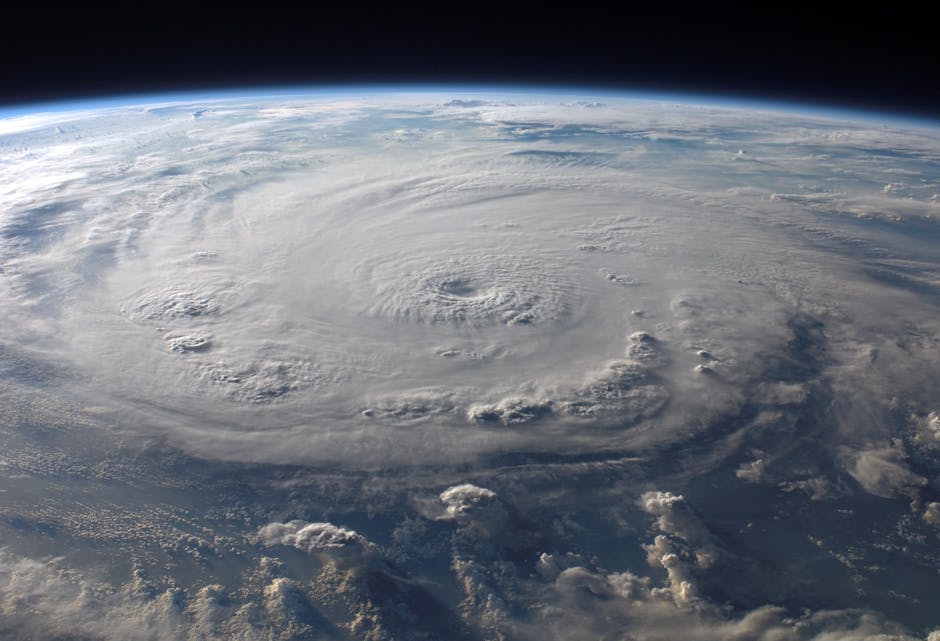
Living in paradise comes with a price. Florida’s stunning beaches and year-round sunshine are balanced by weather risks that make home insurance essential for protecting your slice of paradise.
Mother Nature doesn’t play favorites in Florida. With nearly 500 cyclones throughout its history and a hurricane season from June through November, our coastal homes face serious threats each year. Even inland properties aren’t entirely safe—flooding can affect areas far outside designated flood zones.
And let’s talk about what’s happening beneath our feet. If you live in Central Florida’s “Sinkhole Alley” (spanning Hillsborough, Pasco, and Hernando counties), you’re literally standing on ground that could potentially collapse without warning.
According to research from the Insurance Information Institute, Florida’s insurance situation has reached crisis levels. While we account for only 9% of the nation’s homeowners insurance claims, we generate 79% of lawsuits against insurance companies.
The financial strain is staggering. Florida insurers suffered underwriting losses exceeding $3.4 billion in 2020 and 2021 alone. It’s no wonder so many carriers have left our sunny shores for more profitable markets.
Thankfully, programs like Citizens Property Insurance Corporation serve as our insurer of last resort, while My Safe Florida Home grants provide funding for hurricane-proofing improvements.
Is Homeowners Insurance Legally Required?
The short answer: technically no, but practically yes.
While Florida state law doesn’t explicitly mandate homeowners insurance, your lender will absolutely require coverage to protect their investment in your property.
For condo owners, your association’s master policy covers the building structure, but you’re still responsible for insuring everything from the walls in—including all your personal belongings.
Even if you own your home outright, going without insurance means one serious storm could wipe out your largest investment overnight. And if you live in a Special Flood Hazard Area with a federally-backed mortgage, flood insurance is mandatory.
Why Are Rates So High and Companies Leaving?
Reinsurance costs are skyrocketing. Florida insurers rely heavily on reinsurance—essentially insurance for insurance companies—to manage hurricane risk. As global climate patterns shift, these costs have surged dramatically.
Fraud and excessive litigation have created a perfect storm in our insurance market. In 2021 alone, more than 100,000 property claim lawsuits were filed against Florida insurers.
Our state’s generous three-year window for filing hurricane damage claims creates lingering uncertainty for insurers.
Where you live in Florida dramatically impacts what you’ll pay. Miami homeowners face average annual premiums around $5,095, while Orlando residents pay about half that at $2,510.
The cumulative effect? Major national carriers have significantly reduced their Florida presence or left entirely, creating a shrinking marketplace with fewer options and higher premiums.
When you’re ready to buy home insurance Florida policies that offer genuine protection without breaking the bank, having an experienced partner can make all the difference. Scientific research on Florida’s insurance crisis confirms what many of us already know—this is a challenging market that requires informed decision-making.
What a Standard Florida Policy Covers—and What It Leaves Out
When you buy home insurance Florida policies, understanding what’s included—and more importantly, what isn’t—can save you from devastating financial surprises after a loss.
Your standard Florida homeowners policy typically includes six main coverage areas:
| Coverage Type | What It Typically Covers | What It Typically Excludes |
|---|---|---|
| Dwelling (Coverage A) | Your home’s structure, including attached structures like garages | Flood damage, earth movement |
| Other Structures (Coverage B) | Detached structures like fences, sheds, and pools | Structures used for business purposes |
| Personal Property (Coverage C) | Your belongings, furniture, clothing, and electronics | High-value items without special endorsements |
| Loss of Use (Coverage D) | Additional living expenses if your home becomes uninhabitable | Normal living expenses you’d pay regardless |
| Personal Liability (Coverage E) | Legal and medical costs if someone is injured on your property | Business-related liability |
| Medical Payments (Coverage F) | Minor medical expenses for guests injured on your property | Your own medical expenses |
Most Florida homes are covered under what’s called an HO-3 policy. This means your house itself is protected against all risks except those specifically excluded (called “open perils”), while your personal belongings are only covered against specifically named dangers (called “named perils”).
One uniquely Floridian aspect of your policy is the hurricane deductible. Unlike your standard deductible that might be $1,000 or $2,500, hurricane deductibles typically range from 2% to 10% of your dwelling coverage. So if you have a $300,000 home with a 2% hurricane deductible, you’d need to pay $6,000 out-of-pocket before your insurance kicks in after a hurricane.
Does It Cover Hurricanes, Floods, and Sinkholes?

When it comes to hurricanes, standard policies typically cover wind damage, but with that separate, higher hurricane deductible. However, if you live in a high-risk coastal area, your policy might exclude wind coverage entirely, requiring a separate windstorm policy.
Here’s the critical part: standard policies do not cover flooding, regardless of what caused it. That includes storm surge from hurricanes, which insurers consider flooding rather than wind damage. You’ll need separate flood insurance, either through the National Flood Insurance Program (NFIP) or private insurers.
As for sinkholes, Florida law requires insurers to offer “catastrophic ground cover collapse” coverage, but this has a very narrow definition. For comprehensive protection, especially in “Sinkhole Alley,” consider adding a specific sinkhole endorsement.
Extra Coverages Worth Considering
Given Florida’s unique risks, several additional coverages deserve your consideration:
Flood insurance is essential for coastal properties and highly recommended for all Florida homeowners. The NFIP offers coverage up to $250,000 for your dwelling and $100,000 for contents.
Water backup coverage protects against damage from sewage or sump pump overflow—particularly important during Florida’s heavy rainstorms.
Extended replacement cost provides additional dwelling coverage (typically 25-50% above your limit) if rebuilding costs exceed your policy limit after a widespread disaster.
Ordinance or law coverage pays for increased costs to rebuild your home to current building codes—particularly important for older Florida homes.
At NUsure, we believe in helping you understand these options clearly so your policy addresses Florida’s specific risks. More info about Best Home Insurance Coverage
How to buy home insurance Florida: A Step-by-Step Process

Finding the right coverage in Florida doesn’t have to feel like navigating a hurricane. When you’re ready to buy home insurance Florida homes need, I’ve broken it down into simple steps.
First, calculate your home’s replacement cost – not its market value. This is what you’d need to rebuild from scratch. While you’re at it, make a quick inventory of your valuable belongings to ensure you’re not underinsured.
Before shopping around, check if your property sits in a flood zone using the FEMA flood maps. Even homes outside designated flood zones can experience flooding in Florida’s unpredictable weather.
When gathering quotes, have these details handy: your home’s age, square footage, construction type, roof details, security features, and any claims you’ve filed in the past five years.
At NUsure, we make comparison shopping painless by showing you quotes from over 50 top-rated carriers side by side. When reviewing these quotes, make sure you’re comparing policies with identical coverage limits and deductibles – including those special hurricane deductibles.
Financial stability matters when choosing an insurer in Florida’s volatile market. Look for companies with A.M. Best ratings of A or better, indicating they have the financial strength to pay claims even after a major hurricane.
Compare Quotes to buy home insurance Florida
When you buy home insurance Florida residents need, smart comparison shopping can save you thousands over the life of your policy.
Make sure you’re setting identical coverage limits across all quotes for dwelling, personal property, liability, and other structures. Pay special attention to hurricane deductibles, which are typically calculated as a percentage of your dwelling coverage rather than a flat amount.
Your credit-based insurance score plays a surprisingly large role in determining your rates in Florida. Homeowners with poor credit often pay nearly 50% more than those with good credit for identical coverage.
While shopping, avoid coverage gaps at all costs. Even a single day without insurance can flag you as higher risk to insurers, potentially resulting in higher premiums for years to come.
Our side-by-side comparison tool at NUsure highlights the differences between policies so you can spot when one seems cheaper simply because it offers less protection.
Finalize and Bind Your Policy to buy home insurance Florida
Once you’ve selected the right policy, you’ll enter the home stretch of the insurance process. For homes over 20 years old, insurers typically require a 4-point inspection examining your roof, electrical system, plumbing, and HVAC components.
I always recommend scheduling a wind mitigation inspection too. This assessment identifies hurricane-resistant features that can qualify you for substantial premium discounts.
When your policy documents arrive, take time to review the declarations page carefully. This summary shows your coverages, limits, deductibles, and premium.
Most insurers offer flexible payment options including annual, semi-annual, quarterly, or monthly installments. While monthly payments might feel easier on your budget, many carriers offer discounts of up to 10% for paying your premium in full.
The entire process typically takes 7-14 days from quote to active policy, so start early if you’re buying a new home. Your mortgage lender will require proof of insurance before closing.
Smart Ways to Save & Choose the Right Company

Let’s face it—Florida’s insurance rates can make your wallet wince. But there are plenty of ways to keep your home protected without breaking the bank.
Making wind mitigation improvements might be your best investment. Hurricane straps, impact-resistant windows, and reinforced garage doors can slash your premium by up to 45%!
Many Floridians don’t realize that bundling policies is like buying in bulk—it just makes financial sense. Combine your home and auto insurance with the same carrier, and you’ll typically save 5-15% across the board.
Feeling a bit brave? Consider increasing your standard deductible from $500 to $1,000. This simple change can reduce your premium by 10% or more. Just make sure you keep that extra $500 set aside in your emergency fund!
Your home’s security features aren’t just for peace of mind. Installing monitored alarm systems, water leak detectors, or smart home systems can earn you discounts of 5-20% with most insurers.
Maintaining a claims-free history is golden in Florida’s insurance market. Think twice before filing small claims that barely exceed your deductible.
Many Floridians don’t realize that their credit score affects their insurance rates. Improving your credit can significantly lower your premiums, sometimes by hundreds of dollars annually.
Here’s an insider tip: shop in advance. Quoting at least one day before your policy start date can save you money with many carriers who reward planners with better rates.
City-by-City & County Price Differences
The price tag on your Florida home insurance varies dramatically depending on your zip code. If you live in Miami-Dade County, brace yourself for the state’s highest rates, averaging around $5,095 annually. The beautiful Florida Keys in Monroe County aren’t far behind.
Drive inland to Central Florida around Orlando, and you’ll find more reasonable rates at about $2,510 annually. Head even further north to Tallahassee, and you might pay as little as $1,436 per year—nearly a quarter of Miami rates!
These dramatic differences reflect several location-specific factors. Coastal proximity plays a huge role—properties within a mile of the shore face significantly higher hurricane risk than inland homes. Your home’s elevation matters too, with higher ground typically qualifying for lower flood risk ratings.
Even your home’s construction type influences your premium. Concrete block homes typically cost less to insure than wood frame construction because they stand up better to wind. And newer homes built to stricter building codes almost always qualify for better rates than older properties.
Reducing Risk to Reduce Premiums
Smart home improvements don’t just protect your property—they can significantly lower your insurance costs too.
A roof upgrade to hurricane-rated materials might be the single most effective improvement, potentially saving 10-40% on premiums.
Impact-resistant windows and doors are another game-changer. These specialized products can withstand flying debris during storms while earning substantial discounts on your policy. If that’s beyond your budget, hurricane shutters offer a more affordable alternative.

For maximum savings, be sure to document all your improvements with a certified wind mitigation inspection. Florida law requires insurers to offer discounts for qualifying features, but you must provide proper documentation to receive them.
Don’t miss out on the My Safe Florida Home program, which offers grants of up to $10,000 for qualifying hurricane mitigation improvements. Visit the Florida Office of Insurance Regulation website for more information about this program and other consumer resources.
At NUsure, we’re passionate about helping Floridians find ways to save money on home insurance without sacrificing protection.
Frequently Asked Questions about Florida Home Insurance
What is the average cost and how does it compare nationally?
If you’re experiencing sticker shock while shopping for Florida home insurance, you’re not alone. The average annual premium in Florida is a whopping $4,419 with a 2% hurricane deductible—that’s 70% higher than the national average of $2,601.
Without hurricane coverage, the average drops to $2,401, which seems tempting until you realize you’d be leaving your largest investment completely exposed during our most significant weather threat.
Your location within the Sunshine State dramatically affects what you’ll pay:
* Miami residents face the steepest costs at about $5,095 yearly
* Tampa homeowners typically pay around $3,400 annually
* Orlando residents enjoy more moderate rates averaging $2,510
* Tallahassee homeowners have the best rates in the state at approximately $1,436
These price variations reflect each area’s unique risk profile, including hurricane exposure, flood potential, and proximity to coastlines.
What should I know about hurricane deductibles?
Hurricane deductibles work quite differently than what you might be used to with other insurance policies.
Unlike your standard fixed-dollar deductible, hurricane deductibles are percentage-based—usually between 2-10% of your dwelling coverage. For perspective, if you own a $300,000 home with a 2% hurricane deductible, you’d need to cover $6,000 out-of-pocket before your insurance kicks in after a hurricane.
These special deductibles only activate when the National Weather Service officially declares a hurricane warning or watch for any part of Florida, or when a hurricane makes landfall. The good news? In Florida, hurricane deductibles apply just once per calendar year, regardless of how many named storms damage your property.
Florida law requires insurers to offer hurricane deductible options of $500, 2%, 5%, and 10%. While it might be tempting to choose a higher percentage to lower your premium, make sure you have enough savings to cover this potentially significant expense when a storm hits.
What can I do if I can’t find affordable coverage?
Finding affordable coverage in Florida’s challenging insurance market can feel like searching for a needle in a haystack, but you do have options.
First, consider working with an insurance marketplace like NUsure that compares quotes from multiple carriers, including regional insurers that often offer more competitive rates for Florida properties.
If private market coverage remains out of reach, Citizens Property Insurance Corporation, Florida’s insurer of last resort, provides a safety net.
Smart homeowners can also maximize available discounts through wind mitigation features, security systems, and policy bundling. Something as simple as installing hurricane straps or impact-resistant windows can significantly reduce your premium while making your home safer.
The My Safe Florida Home program offers grants up to $10,000 for qualifying hurricane mitigation improvements. These investments not only make your home more insurable but can lower your premiums for years to come.
Conclusion
Finding the right home insurance in Florida doesn’t have to feel like weathering a hurricane. Yes, our state presents unique insurance challenges, but with a thoughtful approach, you can secure solid protection without breaking the bank.
The Sunshine State’s insurance landscape might be stormy, but you don’t have to steer it alone. When you buy home insurance Florida homeowners need, understanding our specific risks makes all the difference. From hurricane vulnerabilities to flood zones to our ongoing litigation crisis, knowledge truly is power.
Throughout this guide, we’ve walked through the essential steps to secure comprehensive coverage: comparing multiple quotes with identical coverage limits, verifying your hurricane and flood protection, investing in smart wind mitigation features, checking your insurer’s financial strength, and understanding your deductible options—especially those hurricane deductibles that work differently than standard ones.
At NUsure, we believe insurance should simplify your life, not complicate it. That’s why we’ve built a marketplace that provides instant quotes from more than 50 top-rated carriers, with expert guidance that helps you understand exactly what you’re buying. Our year-round policy monitoring ensures you’re never caught off-guard by market changes or coverage gaps.
Your home is more than just a building—it’s where your life happens. Protecting it properly gives you the peace of mind to enjoy Florida’s beauty without worrying about what the next storm might bring.
Ready to find the perfect coverage for your Florida home? Contact NUsure today for personalized assistance and instant quotes from top-rated carriers. Because in Florida, proper home insurance isn’t just smart—it’s essential.