
Understanding Comprehensive Health Insurance Coverage
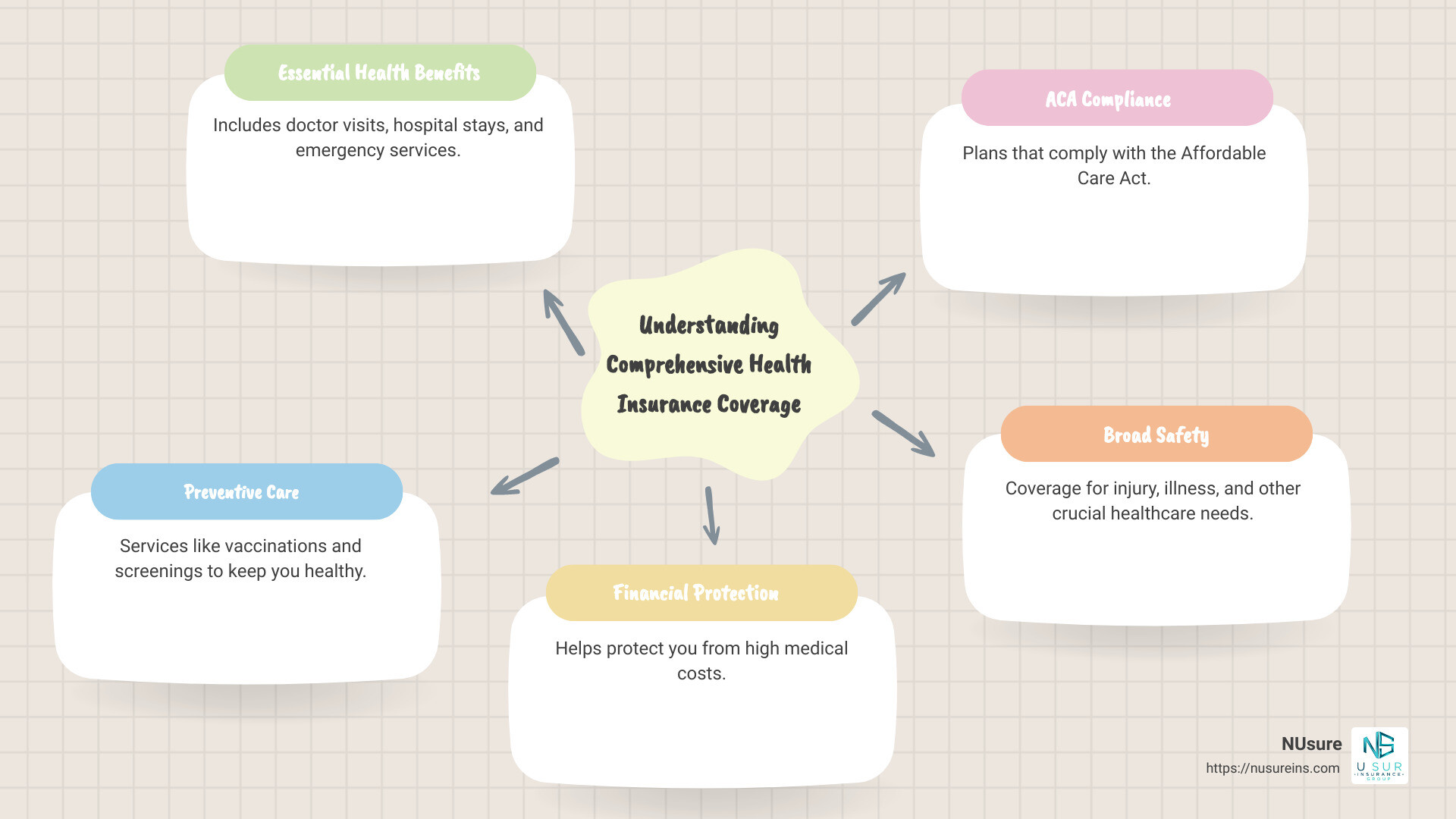
Comprehensive health insurance coverage is a robust health plan that offers extensive protection for a variety of healthcare services. This type of insurance covers essential health benefits such as doctor visits, hospital stays, and emergency services. It’s designed to provide broad safety for preventive care, treatment of injury or illness, and other crucial healthcare needs. Here’s a quick rundown of what this entails:
- Essential Health Benefits: Doctor visits, hospital stays, emergency services, and more.
- Preventive Care: Services that keep you healthy, such as vaccinations and screenings.
- Financial Protection: Helps protect you from high medical costs.
Comprehensive health insurance is vital, ensuring you have access to the necessary healthcare services without facing overwhelming expenses. With plans that comply with the Affordable Care Act (ACA), this type of coverage is essential for anyone looking to maintain their health and financial stability.
My name is Michael J. Alvarez, CPRM, CPIA. With years of experience in the insurance industry, I have a deep understanding of comprehensive health insurance coverage and its importance in providing peace of mind and security.
What is Comprehensive Health Insurance Coverage?
Comprehensive health insurance coverage refers to a health plan that provides extensive protection across a wide range of healthcare services. This type of insurance, also known as major medical insurance, is designed to cover various medical needs, from regular doctor visits to emergency services and hospital stays.
Major Medical Insurance
Major medical insurance is the backbone of comprehensive coverage. It typically includes:
- Preventive Care: Services like vaccinations, screenings, and annual check-ups that help prevent illnesses.
- Emergency Services: Coverage for unexpected medical emergencies, including ambulance services and emergency room visits.
- Hospitalization: Costs related to being admitted to a hospital, whether for surgery, treatment, or other necessary care.
- Mental Health Services: Including therapy, counseling, and psychiatric care.
- Prescription Drugs: Medications prescribed by your doctor.
- Maternity and Newborn Care: Care for pregnancy, childbirth, and newborns.
ACA Compliance
Under the Affordable Care Act (ACA), all new individual, family, and small-group major medical policies sold after January 1, 2014, must cover ten essential health benefits with no annual or lifetime benefit caps. These benefits include:
- Ambulatory Patient Services: Outpatient care without being admitted to a hospital.
- Emergency Services: Immediate treatment for acute conditions.
- Hospitalization: Inpatient care, including surgery.
- Pregnancy, Maternity, and Newborn Care: Both before and after birth.
- Mental Health and Substance Use Disorder Services: Including behavioral health treatment.
- Prescription Drugs: Medications prescribed by a healthcare provider.
- Rehabilitative and Habilitative Services and Devices: Help patients recover or maintain skills.
- Laboratory Services: Blood tests and other lab work.
- Preventive and Wellness Services and Chronic Disease Management: Routine check-ups and management of chronic conditions.
- Pediatric Services: Including oral and vision care for children.
ACA compliance ensures that health insurance plans meet specific standards for coverage. This means that comprehensive health insurance coverage not only provides broad protection but also includes essential consumer protections. For instance, ACA-compliant plans cannot deny coverage based on pre-existing conditions and must offer preventive services without cost-sharing.
Key Takeaway: Comprehensive health insurance coverage, through major medical insurance and ACA compliance, ensures extensive protection across a wide range of healthcare needs, from preventive care to emergency services. This type of coverage is essential for maintaining both health and financial stability.
Key Benefits of Comprehensive Health Insurance
When it comes to comprehensive health insurance coverage, the benefits are extensive. Let’s break down the key advantages that make this type of insurance so vital.
Preventive Care
One of the standout features of comprehensive health insurance is its focus on preventive care. This includes:
- Vaccinations: Immunizations against diseases like flu and measles.
- Screenings: Regular check-ups and tests to catch conditions like cancer or diabetes early.
- Annual Check-ups: Routine visits to your primary care provider to maintain overall health.
Preventive care helps you stay healthy and catch potential issues before they become serious.
Hospitalization
Hospital stays can be incredibly expensive, but comprehensive health insurance covers:
- Inpatient Care: Costs related to being admitted to the hospital for surgery, treatment, or other necessary care.
- Surgeries: Both emergency and planned surgeries.
- Room and Board: The cost of your hospital room and meals during your stay.
This coverage ensures you get the care you need without the financial burden.
Emergency Services
Life is unpredictable, and medical emergencies can happen at any time. Comprehensive health insurance covers:
- Ambulance Services: Transportation to the hospital in an emergency.
- Emergency Room Visits: Immediate care for acute conditions like heart attacks or severe injuries.
This coverage provides peace of mind knowing that you’re protected in urgent situations.
Prescription Medication
Medications can be a significant ongoing expense. Comprehensive health insurance typically includes:
- Prescription Drugs: Medications prescribed by your doctor for various conditions.
- Pharmacy Benefits: Access to a network of pharmacies where you can fill your prescriptions.
This ensures you can afford the medications you need to stay healthy.
Mental Health
Mental health is just as important as physical health. Comprehensive health insurance covers:
- Therapy and Counseling: Sessions with licensed therapists and counselors.
- Psychiatric Care: Visits to psychiatrists for mental health conditions.
- Substance Use Disorder Services: Treatment for addiction and related issues.
Access to mental health services helps you maintain overall well-being.
Maternity Care
For those planning to start or grow a family, comprehensive health insurance includes:
- Prenatal Care: Regular check-ups and tests during pregnancy.
- Labor and Delivery: Costs associated with childbirth.
- Postnatal Care: Care for both mother and newborn after birth.
This coverage ensures that both mother and baby receive the best possible care.
Key Takeaway: Comprehensive health insurance provides extensive benefits, from preventive care and hospitalization to emergency services, prescription medication, mental health services, and maternity care. These features make it a crucial tool for maintaining both your health and financial stability.
Types of Comprehensive Health Insurance Plans
When it comes to comprehensive health insurance coverage, there are several types of plans to consider. Each type has its own features and benefits, so it’s important to understand the differences. Let’s explore the main types available:
Employer-Sponsored Plans
Employer-sponsored health plans are one of the most common forms of comprehensive health insurance. These plans are offered by employers as part of their benefits package. Here are some key points about these plans:
- Coverage: Typically includes a wide range of medical services, from preventive care to hospitalization and mental health services.
- Cost: Employers often cover a significant portion of the premium, making it more affordable for employees.
- Network: These plans usually have a network of preferred providers, but some may offer out-of-network options at a higher cost.
According to the Kaiser Family Foundation, almost half of all Americans receive their health insurance through employer-sponsored plans.
ACA-Compliant Plans
ACA-compliant plans are health insurance policies that meet the standards set by the Affordable Care Act (ACA). These plans can be purchased through your state’s health insurance exchange or directly from insurance companies. Key features include:
- Essential Health Benefits: Must cover the ten essential health benefits, such as emergency services, prescription drugs, and maternity care.
- Subsidies: Premium tax credits and cost-sharing reductions are available for those who qualify based on income.
- Preventive Services: Must cover preventive services at no additional cost to the insured.
These plans ensure you get comprehensive coverage while potentially benefiting from financial assistance.
Medicaid
Medicaid is a state and federally funded program that provides health coverage to low-income individuals and families. Here’s what you need to know:
- Eligibility: Varies by state but generally includes low-income adults, children, pregnant women, elderly adults, and people with disabilities.
- Comprehensive Coverage: Includes a broad range of services such as hospital care, doctor visits, long-term care, and preventive services.
- Cost: Often free or low-cost for eligible individuals.
Medicaid is a vital resource for millions of Americans who might otherwise be unable to afford health insurance.
Medicare
Medicare is a federal program that provides health insurance to people aged 65 and older, as well as some younger individuals with disabilities. Medicare has several parts:
- Original Medicare (Part A and Part B): Covers hospital care and outpatient services. Often combined with Medigap and Part D plans for more comprehensive coverage.
- Medicare Advantage (Part C): Offered by private insurers, these plans include all the benefits of Original Medicare plus additional services like vision, dental, and prescription drugs.
Medicare ensures that older adults and those with disabilities have access to comprehensive healthcare.
Key Takeaway: There are various types of comprehensive health insurance plans, each designed to meet different needs. Employer-sponsored plans, ACA-compliant plans, Medicaid, and Medicare all offer extensive coverage options. Understanding these types can help you choose the best plan for your situation.
Next, we’ll explore what comprehensive health insurance actually covers in detail.
What Does Comprehensive Health Insurance Cover?
When you hear about comprehensive health insurance coverage, it refers to plans that cover a broad range of health services. Let’s break down what these plans typically include:
Ten Essential Health Benefits
All ACA-compliant plans must cover these ten essential health benefits:
- Ambulatory Patient Services: Outpatient care without hospital admission.
- Emergency Services: Care for sudden, serious conditions.
- Hospitalization: Includes surgery and overnight stays.
- Pregnancy, Maternity, and Newborn Care: Care before, during, and after birth.
- Mental Health and Substance Use Disorder Services: Includes counseling and psychotherapy.
- Prescription Drugs: Medications prescribed by a doctor.
- Rehabilitative and Habilitative Services and Devices: Helps gain or recover skills.
- Laboratory Services: Tests and diagnostics.
- Preventive and Wellness Services and Chronic Disease Management: Routine check-ups and managing chronic conditions.
- Pediatric Services: Includes dental and vision care for children.
Preventive Care
Preventive care aims to catch health issues early. It includes:
- Vaccinations: Like flu shots and COVID-19 vaccines.
- Screenings: Such as mammograms and cholesterol tests.
- Check-ups: Annual visits to your primary care doctor.
Under the ACA, preventive services must be covered without any cost-sharing, meaning no copays or deductibles.
Inpatient Care
Inpatient care involves staying in a hospital. This can include:
- Surgery: From minor to major operations.
- Specialized Treatments: Such as chemotherapy or dialysis.
- Post-Surgery Care: Monitoring and recovery in the hospital.
Outpatient Care
Outpatient care includes services you can get without being admitted to a hospital:
- Doctor Visits: Regular check-ups or specialist consultations.
- Minor Surgeries: Procedures that don’t require an overnight stay.
- Therapies: Physical, occupational, and speech therapies.
Mental Health Services
Mental health is crucial for overall well-being. Comprehensive plans cover:
- Counseling and Therapy: Sessions with psychologists or therapists.
- Substance Use Treatment: Rehab and support programs.
- Medication: Drugs prescribed for mental health conditions.
Prescription Drugs
Prescription drug coverage is a critical part of comprehensive health insurance. It includes:
- Generic Drugs: Often the most affordable option.
- Brand-Name Drugs: When no generic is available.
- Specialty Drugs: For complex conditions like cancer or multiple sclerosis.
Key Takeaway: Comprehensive health insurance covers a wide range of services, from preventive care to prescription drugs. Understanding these benefits helps you make the most of your plan and ensures you’re covered for various health needs.
Next, we’ll discuss how to choose the best comprehensive health insurance plan for you.
How to Choose the Best Comprehensive Health Insurance Plan
Choosing the right comprehensive health insurance plan can be tricky. But understanding a few key factors can make it easier. Let’s explore what you should consider:
Premium Costs
Premiums are what you pay each month to keep your insurance active. These costs can vary widely:
- Employer-sponsored plans: Often have lower premiums since your employer pays part of the cost.
- Individual plans: Premiums can be higher, but you have more flexibility in choosing your plan.
- ACA marketplace plans: Premiums vary by “metal” category (Bronze, Silver, Gold, Platinum) with Bronze having the lowest premiums and Platinum the highest.
Tip: Don’t just look at the premium. Consider other costs like deductibles and copays.
Cost-Sharing
Cost-sharing refers to the portion of healthcare costs you pay out-of-pocket. This includes:
- Deductibles: The amount you pay before insurance kicks in. For example, the average deductible for a Bronze plan is $6,921.
- Copayments (Copays): A fixed amount you pay for services, like $20 for a doctor’s visit.
- Coinsurance: The percentage of costs you pay after meeting your deductible. For instance, you might pay 20% of a hospital bill.
Tip: Higher premiums often mean lower cost-sharing, and vice versa.
Network Types
Network types determine which doctors and hospitals you can use:
- HMO (Health Maintenance Organization): Requires you to use network providers and get referrals for specialists.
- PPO (Preferred Provider Organization): Offers more flexibility in choosing providers but at a higher cost.
- EPO (Exclusive Provider Organization): Combines features of HMOs and PPOs, requiring network use but without referrals.
- POS (Point of Service): Requires referrals like HMOs but allows out-of-network care at a higher cost.
Tip: Check if your preferred doctors and hospitals are in-network to save on costs.
Customization
Some plans allow you to customize your coverage:
- Add-ons and riders: Extra coverage for things like dental, vision, or critical illness.
- High sum assured: Plans with higher coverage amounts, useful if you have a family history of serious illness.
Tip: Customize your plan to fit your specific healthcare needs and risks.
Subsidies
Subsidies can make comprehensive health insurance more affordable:
- Premium tax credits: Reduce your monthly premiums based on your income.
- Cost-sharing reductions: Lower your out-of-pocket costs for Silver plans if you qualify.
According to the Kaiser Family Foundation, 86% of marketplace enrollees received premium subsidies, making healthcare more affordable.
Tip: Use tools like Healthcare.gov to see if you qualify for subsidies.
Key Takeaway: When choosing a comprehensive health insurance plan, consider premium costs, cost-sharing, network types, customization options, and available subsidies to find the best fit for your needs and budget.
Next, we’ll answer some frequently asked questions about comprehensive health insurance coverage.
Frequently Asked Questions about Comprehensive Health Insurance Coverage
What is the difference between comprehensive and non-comprehensive health insurance?
Comprehensive health insurance offers extensive coverage that includes a wide range of healthcare services. This typically covers:
- Preventive care like vaccines and check-ups
- Hospitalization for surgeries and overnight stays
- Emergency services
- Prescription medications
- Mental health services
- Maternity and newborn care
Non-comprehensive health insurance or limited-benefit plans, on the other hand, provide minimal coverage and often exclude many essential health benefits. These might only cover specific services or have caps on how much they will pay.
Key Differences:
– Scope of Coverage: Comprehensive plans cover a broad array of services, while non-comprehensive plans are more restricted.
– Cost: Non-comprehensive plans generally have lower premiums but can leave you with high out-of-pocket costs.
How much does comprehensive health insurance cost?
The cost of comprehensive health insurance can vary widely based on several factors:
- Premiums: This is the monthly amount you pay to keep your insurance active. For example, ACA marketplace plans have different premium levels based on their “metal” categories:
- Bronze: Lowest premiums
- Silver
- Gold
Platinum: Highest premiums
Subsidies: Many people qualify for premium tax credits and cost-sharing reductions. According to the Kaiser Family Foundation, 86% of marketplace enrollees received premium subsidies, significantly lowering their costs.
Cost-sharing: This includes deductibles, copayments, and coinsurance. For instance, you might pay a $20 copayment for a doctor’s visit or 20% coinsurance for a hospital stay after meeting your deductible.
What are the benefits of comprehensive health insurance?
Comprehensive health insurance coverage offers numerous benefits:
Extensive Coverage: Covers a wide range of medical services, from preventive care to emergency services and prescription drugs.
Preventive Focus: Includes routine check-ups and vaccines, which can catch health issues early and reduce long-term costs. For example, all comprehensive plans in the U.S. cover COVID-19 vaccines at no cost.
Financial Protection: Shields you from high medical costs. While comprehensive plans may have higher premiums, they often result in lower out-of-pocket expenses when you need care.
In summary, comprehensive health insurance provides robust coverage, financial protection, and access to a broad range of medical services, making it a valuable investment for your health and peace of mind.
Next, we’ll dive deeper into specific types of comprehensive health insurance plans and how to choose the best one for your needs.
Conclusion
In summary, comprehensive health insurance coverage offers extensive protection and peace of mind by covering a wide range of healthcare services, from preventive care to emergency services and prescription medications. This type of insurance is designed to protect you financially and ensure you have access to the medical care you need, when you need it.
At NuSure, we understand that choosing the right health insurance plan can be overwhelming. Our goal is to simplify this process and help you find the best coverage for your unique needs. We work with top carriers to provide personalized quotes that fit your budget and healthcare requirements.
Our services include:
Personalized Quotes: By completing a simple form, you can receive quotes from top carriers in your area, custom to your specific needs. This allows you to compare options and choose the best plan for you and your family.
Policy Monitoring: Once you have chosen a plan, we continue to support you by monitoring your policy. This ensures that your coverage remains optimal and that you are always aware of any changes or new opportunities to save.
We are committed to making health insurance accessible and straightforward. To learn more about how we can help you find the best comprehensive health insurance plan, visit our Health Insurance page today.
Choosing the right health insurance plan is crucial for your well-being and financial security. Let NuSure guide you through the process and provide the support you need to make an informed decision.