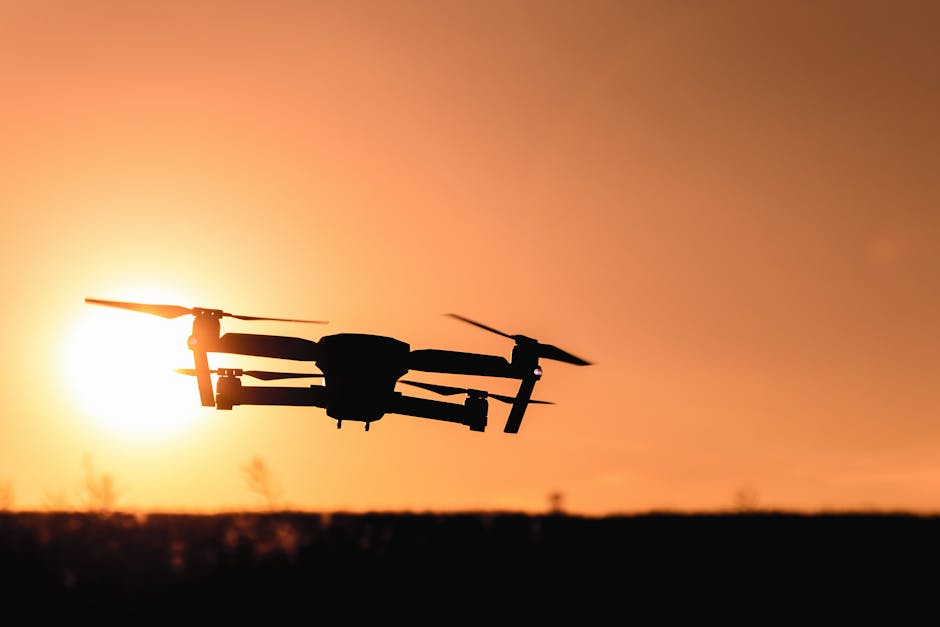
Drone insurance options are essential for anyone using drones, whether for business or pleasure. These insurance policies cover areas like liability for injury or property damage, hull insurance for drone damage, and even personal or privacy claims. Here’s a simple breakdown:
- Liability Insurance: Protects against third-party claims.
- Hull Insurance: Covers damages to the drone itself.
- Payload Insurance: Provides coverage for equipment carried by drones, like cameras and sensors.
- Personal Injury Insurance: Covers claims such as libel or slander.
- Ground Equipment Insurance: Protects remote controls and base stations.
In today’s rapidly evolving world, drones have become tools of choice for filmmakers, farmers, and real estate agents alike. However, these flying marvels carry inherent risks and liabilities, whether due to malfunctions or operator errors. This makes insurance not just an option but a necessity to shield against potential financial setbacks.
My name is Michael J. Alvarez, CPRM, CPIA. With extensive expertise in risk management and insurance sales, I am well-versed in drone insurance options. My experience spans the intricate needs of technology use and the ever-changing landscape of liability. In the following sections, we will dig into the intricacies of why drone insurance is crucial and how to find the right coverage for your needs.
Why Drone Insurance is Essential
Flying a drone is thrilling, but it comes with responsibilities. Drone insurance options aren’t just about ticking a box—they’re about safeguarding your investment and peace of mind.
Liability Shield
Imagine this: You’re flying your drone over a park, capturing stunning aerial shots. Suddenly, a malfunction causes it to crash into someone’s car. The repair costs could be substantial. This is where liability insurance steps in. It acts as a financial buffer, covering third-party claims for bodily injury or property damage. It’s especially crucial if you fly in populated areas or near sensitive infrastructure.
Crash Protection
Accidents happen, even to seasoned pilots. A gust of wind or a sudden obstacle can send your drone spiraling to the ground. Hull insurance covers these mishaps, helping you recover repair costs or even replace your drone. This protection is invaluable, especially for high-end drones that can be costly to fix or replace.
Legal Necessity
In many regions, drone insurance isn’t just a good idea—it’s the law. For commercial drone operators, having insurance is often mandatory. It demonstrates that you’re compliant with regulations and ready to handle potential risks. This legal necessity not only helps you avoid fines but also boosts your credibility as a responsible drone operator.
Peace of Mind
Knowing you’re covered allows you to focus on what you love: flying. With drone insurance, you don’t have to worry about the financial burden of accidents. This peace of mind lets you enjoy your drone to its fullest potential, whether you’re capturing breathtaking footage or conducting an important survey.
Drone insurance is about more than just protection—it’s about confidence. Confidence to fly, capture, and create without fear of unexpected financial setbacks. As we explore further, you’ll see how these insurance options can be custom to fit your specific needs, ensuring both you and your drone are covered.
Types of Drone Insurance Coverage
When it comes to drone insurance options, understanding the different types of coverage available is key to protecting your investment. Let’s break down the main types:
Hull Insurance
Hull insurance covers physical damage to your drone. Think of it as crash protection. If your drone crashes, malfunctions, or is involved in an accident, hull insurance helps cover repair or replacement costs. Some policies also include theft or disappearance, but remember, it doesn’t automatically cover payloads like cameras or sensors. Those need separate coverage.
Liability Insurance
This is your safety net against third-party claims. If your drone accidentally injures someone or damages property, liability insurance covers those costs. For commercial drone pilots, this is crucial, especially when flying in busy areas. It’s about protecting yourself from potentially costly legal claims.
Payload Insurance
If your drone carries special equipment like cameras or sensors, payload insurance is a must. It covers these valuable add-ons if they get damaged or lost during flight. Since payloads aren’t automatically covered under hull insurance, you need to specify them in your policy.
Ground Equipment Insurance
Your drone isn’t the only thing that needs protection. Ground equipment insurance covers the gear you use to control your drone, like remote controls and base stations. This ensures that you’re covered for any damage to your essential control equipment.
Personal Injury Insurance
This type of coverage is less about physical damage and more about protecting against legal claims related to personal injury, like libel, slander, or privacy invasion. Personal injury insurance can be particularly important for businesses that use drones in ways that might inadvertently infringe on someone’s privacy.
Non-Owned Coverage
Sometimes, you might fly a drone that you don’t own. Non-owned coverage protects you in these situations, covering liability and damage as if the drone were your own. It’s a smart option for pilots who frequently operate drones owned by others.
Each of these drone insurance options plays a role in ensuring comprehensive coverage, from the drone itself to the equipment and potential legal liabilities. Understanding these options helps you choose the right policy for your needs, providing peace of mind as you take to the skies.
Drone Insurance Options
Navigating drone insurance options can feel overwhelming, but it doesn’t have to be. From hull to liability, each type of coverage serves a unique purpose in protecting your drone and your finances. Let’s explore these options to ensure you have comprehensive coverage.
Hull Insurance
Hull insurance is the backbone of drone insurance. It’s all about damage coverage. If your drone crashes or malfunctions, hull insurance helps with repair costs or even replacement. Think of it as crash protection for your drone. While some policies may cover theft or disappearance, payloads like cameras or sensors need separate coverage.
Liability Insurance
When your drone is responsible for third-party claims, liability insurance steps in. This covers any property damage or injuries caused by your drone. For example, if your drone accidentally hits a window or injures someone, liability insurance will cover the costs. This is especially crucial for commercial pilots operating in populated areas where the risk is higher.
Payload Insurance
If your drone carries valuable equipment like cameras or sensors, payload insurance is essential. It ensures that these items are covered if they are damaged or lost during flight. Since payloads aren’t automatically included in hull insurance, you need to list them specifically in your policy.
Ground Equipment Insurance
Your drone’s ground support equipment, such as remote controls and base stations, also needs protection. Ground equipment insurance covers these items, ensuring that any damage to your control gear is covered. This is vital for maintaining control over your drone operations without unexpected repair costs.
Personal Injury Insurance
In the field of drone operations, personal injury insurance protects against legal claims related to offenses like libel, slander, or privacy invasion. This coverage is crucial for businesses using drones in ways that might inadvertently infringe on someone’s privacy. It offers a layer of protection against these potential legal challenges.
Each of these drone insurance options ensures that you have comprehensive coverage, safeguarding your drone, your equipment, and your legal liabilities. By understanding these options, you can choose the right policy to meet your needs and fly with peace of mind.
Cost of Drone Insurance
When budgeting for drone insurance, several factors can influence how much you’ll pay. Let’s break it down into manageable pieces.
Average Cost
The cost of drone insurance can vary greatly. On average, a comprehensive policy that includes both hull and liability insurance might start at around $500 per year. However, this can increase based on the coverage limits and specific needs of your drone operations.
Liability Insurance
Liability insurance tends to be one of the more expensive components. For coverage ranging from $500,000 to $1 million, you might expect to pay between $500 and $1,000 annually. Higher-risk operations or those requiring more extensive coverage could see costs rise significantly. For example, large production companies might require coverage upwards of $5 million.
Hull Insurance
Hull insurance, which covers damage to the drone itself, is crucial for protecting your investment. The cost is typically based on the value of the drone. If you have a high-end drone, expect to pay more to ensure it can be repaired or replaced if damaged.
On-Demand Insurance
For those who don’t fly regularly, on-demand insurance offers flexibility. Companies like Verifly provide hourly coverage options, often starting around $10 per hour. This is a cost-effective solution if you only need insurance for specific flights or projects.
Factors Influencing Cost
Coverage Type: More comprehensive coverage will naturally cost more. Decide what you need based on your operations.
Drone Value: Higher-value drones will require more expensive hull insurance. Make sure the coverage is sufficient to replace your drone if necessary.
Pilot Experience: Experienced pilots might enjoy lower premiums. Insurers often view them as less risky compared to novice operators.
Geographical Location: Where you fly your drone can also impact costs. Densely populated or high-risk areas might lead to higher premiums due to increased liability risks.
By understanding these factors, you can better estimate your insurance needs and budget accordingly. This ensures that you have the right protection without overspending, allowing you to focus on your drone operations confidently.
Frequently Asked Questions about Drone Insurance Options
What Type of Insurance Do I Need for a Drone?
When it comes to drone insurance options, two main types stand out: hull insurance and liability insurance.
Hull Insurance is essential if you want to protect the drone itself. This type of insurance covers repair or replacement costs if your drone crashes or suffers damage. It doesn’t automatically cover everything attached to your drone, like cameras or sensors. For those, you’ll need payload insurance.
Liability Insurance is crucial for protecting yourself financially if your drone causes harm to people or property. This insurance covers third-party claims and can save you from hefty legal expenses if your drone accidentally damages someone’s property or causes an injury.
What is the Average Cost of Drone Insurance?
The cost of drone insurance varies based on several factors, but here’s a quick overview:
Liability Insurance: Expect to pay between $500 and $1,000 annually for coverage between $500,000 and $1 million. If your operations are riskier, like flying over crowded areas, costs can increase significantly.
Hull Insurance: The cost is typically based on the drone’s value. A more expensive drone will incur higher insurance costs to cover potential repairs or replacements.
On-Demand Insurance: For occasional flyers, this is a flexible and cost-effective option. Some companies offer hourly coverage starting around $10 per hour, ideal for specific projects or flights.
Does Drone Insurance Cover Crashes?
Yes, most drone insurance policies provide crash protection. This is part of the hull insurance, which covers the cost of repairing or replacing your drone if it crashes due to technical failures or pilot errors. Accidents happen, even to the best pilots, so having this coverage can save you from unexpected expenses.
In summary, understanding your drone insurance options can help you choose the right coverage for your needs. Whether it’s protecting your drone from damage or shielding yourself from liability claims, having the right insurance ensures peace of mind and allows you to focus on your drone operations with confidence.
Conclusion
Navigating the landscape of drone insurance options can be daunting, but with NUsure, it doesn’t have to be. We specialize in helping you find the right coverage custom to your specific needs. Whether you’re a hobbyist or a professional pilot, our goal is to simplify the insurance process and save you time and money.
At NUsure, we offer personalized insurance solutions by connecting you with over 50 top-rated carriers. This means you get to choose from a variety of options and find the best fit for your unique drone operations. Our service is designed to be hassle-free and efficient, allowing you to secure the coverage you need without unnecessary delays.
One of the standout features of our service is year-round policy monitoring. This means we keep an eye on your policy and alert you if there are better options available or if changes need to be made. This proactive approach ensures that you always have the most suitable coverage at the most competitive rates.

By choosing NUsure, you’re not just getting insurance; you’re getting peace of mind. Our streamlined process, expert guidance, and ongoing support help you focus on what you do best—flying your drones safely and efficiently. So, whether you’re insuring a single drone or an entire fleet, let us help you find the best drone insurance options available.
When drones are becoming increasingly integral to various industries, having the right insurance is not just a necessity; it’s a smart investment. Trust NUsure to be your partner in navigating the complexities of drone insurance and ensuring that you’re always protected.