Drone Photography Insurance: 7 Must-Know Risks in 2025
Flying Without Insurance is a Risk You Can’t Afford
Drone photography insurance is specialized coverage that protects drone operators against liability claims, equipment damage, and other risks associated with flying unmanned aerial vehicles. Here’s what you need to know:
- What it covers: Third-party liability, hull damage, equipment theft, personal injury, and privacy claims
- Who needs it: Commercial operators, freelancers, and serious hobbyists
- Average cost: $350-700 annually for $1 million in coverage
- Legal requirements: Not federally mandated (except in Minnesota), but often required by clients and venues
With over 780,000 drones registered in the United States and commercial equipment often costing more than $10,000, the financial risks of flying uninsured are substantial. Between 36% and 53% of small businesses face at least one lawsuit annually, making proper coverage essential for anyone using drones professionally.
Whether you’re capturing stunning aerial real estate photos, filming a wedding, or conducting property inspections, one crash could lead to expensive repairs, medical bills, or even legal action that could ground your business permanently.
I’m Michael J. Alvarez, CPRM, CPIA, a Property & Casualty risk executive with extensive experience helping drone operators steer the complexities of drone photography insurance in the Florida and New Jersey markets. Having guided countless aerial photographers through the insurance landscape, I understand the unique challenges you face when taking your business to the skies.
What Is Drone Photography Insurance & Why You Can’t Fly Without It
Drone photography insurance isn’t just another expense—it’s your financial parachute when things go sideways in the sky. This specialized coverage blends traditional aviation protection with professional liability safeguards, creating a comprehensive safety net for anyone flying camera-equipped drones.

Think about it: you’re essentially piloting a $10,000 investment over people’s heads and property. When your camera-equipped drone is hovering above a wedding party or circling a real estate listing, you’re one gust of wind away from potential disaster. That’s why this insurance works as both a liability shield and an equipment safety net.
The numbers tell a sobering story. About 43% of small business owners have faced lawsuit threats or actual litigation. Emergency rooms see over 8 million visits annually from slips, trips, and falls—imagine adding “drone strike” to that list. Most concerning for drone pilots: the average liability claim often exceeds the value of the drone itself!
While federal regulations don’t currently mandate insurance coverage (Minnesota stands alone in requiring commercial operators to carry it), the real-world requirements are different. Try explaining to a venue manager or corporate client why you don’t have coverage. Most will show you the door before you can even unpack your drone.
For commercial operators, the FAA’s Part 107 certification is mandatory—requiring a 60-question exam with at least 70% correct answers and renewal every two years. While this certification doesn’t explicitly require insurance, it establishes your professional status. And professionals protect themselves and their clients with proper coverage.
Primary Risks in the Air & On the Ground
Flying a camera-equipped drone involves navigating a complex web of potential hazards—both in the air and on terra firma.
In the air, even experienced pilots face unexpected challenges. Crashes and collisions happen when wind gusts catch you off guard or technical glitches occur mid-flight. Bodily injury becomes a serious concern when your drone falls from the sky near bystanders. Property damage claims arise from broken windows, damaged roofs, or scratched vehicles. And let’s not forget the dreaded flyaway—when your drone decides to explore the world on its own, ignoring your controller inputs entirely.
Back on the ground, your risks continue. Equipment theft is a constant worry—drones are valuable, portable, and easily resold. Transport damage occurs when your gear gets jostled or dropped en route to shooting locations. Trip hazards from your ground station setup can lead to client injuries. Even data breaches are possible if your drone captures sensitive information that later gets compromised.
Mother Nature adds her own challenges to the mix. Weather damage from rain, lightning, or extreme temperatures can fry sensitive electronics. Water damage is almost always catastrophic—most drones don’t swim well, and a water landing typically means total loss.
Understanding these varied risks helps you select coverage that truly protects your aerial photography business from all angles.
Drone Photography Insurance vs Homeowners/Renters Policies
“But my homeowners insurance will cover my drone, right?” If I had a dollar for every time I’ve heard this question, I could buy a fleet of Mavic Pros!
The truth is that relying on your personal insurance policies for drone operations is like trying to fix a drone with duct tape—it might seem like it works until you really need it.
Standard homeowners and renters policies typically include clear exclusions for commercial activities of any kind. They also exclude aviation-related incidents, which is exactly how insurance companies classify drones. And if you’re intentionally flying your drone for photography purposes, that falls under intentional aerial operations—another common exclusion.
While your personal policy might cover a recreational drone that gets stolen from your living room, it almost certainly won’t protect you when that same drone is damaged during flight. It won’t cover third-party injuries or property damage caused by your aerial activities. It provides zero protection against professional liability claims related to your drone services. And if someone sues you for privacy violations because your drone captured them sunbathing? You’re on your own.
The liability coverage in your homeowners policy is designed for everyday risks—like a delivery person slipping on your icy sidewalk—not specialized aviation operations. Even if your policy doesn’t specifically exclude drones (rare these days), the coverage limits are typically far too low for drone-related claims.
To add insult to injury, personal policies often come with high deductibles ranging from $500-$1,000 or more. Since many drone repairs fall in this price range, you’d end up paying out of pocket anyway.
The message is clear: if you’re using your drone for any commercial purpose—or even as a serious hobby photographer—dedicated drone photography insurance isn’t optional. It’s essential protection for your business, your equipment, and your financial future.
Drone Photography Insurance: Coverages Every Pilot Should Know
When shopping for drone photography insurance, you’ll encounter several types of coverage. Understanding each one will help you build a comprehensive protection plan for your aerial photography business.

Drone Liability Insurance
Think of liability coverage as the foundation of your drone insurance house. It’s the must-have protection that kicks in when your drone decides to misbehave around other people or their property.
When your drone takes an unexpected nosedive into someone’s wedding cake or clips a branch and scratches a car, liability insurance covers the resulting medical bills or repair costs. It also protects you from privacy claims if someone believes you’ve been peeking where you shouldn’t with your aerial camera.
Most commercial operators need at least $1 million in coverage, though some high-risk shoots might require more. Without this protection, one minor incident could ground your business permanently. Want to learn more? Check out our detailed guide to Drone Liability Insurance.
Hull Insurance
While liability protects others from your drone, hull insurance protects your drone from… well, everything else. That beautiful $2,000 quadcopter deserves some protection too!
Hull coverage pays for repairs when your drone has an unfortunate meeting with a tree branch or takes an unexpected swim. It typically includes a deductible (usually 5-10% of your drone’s value), and covers theft as well as damage. Many pilots tell me they initially skipped hull coverage to save money, only to regret it after their first crash.
Controllers, carrying cases, and other accessories are often covered here too—not just the drone itself.
Payload Insurance
Your drone might be fine after a rough landing, but what about that expensive camera hanging underneath it? Payload insurance specifically covers the equipment attached to your drone during flight.
For photographers and videographers, this often represents the most valuable part of your setup. A professional camera gimbal system can cost more than the drone itself, making this coverage essential for serious aerial creatives.
Equipment/Inland Marine Insurance
Beyond your drone and its attachments, you likely have a small mountain of photography gear. Inland marine coverage (despite its nautical-sounding name) protects all your business equipment wherever it goes.
This includes your laptops, external hard drives, lighting equipment, and other gear—whether it’s at your home office, in your car, or set up at a client’s location. For drone photographers with substantial gear investments, this comprehensive coverage prevents devastating losses that could otherwise set your business back thousands.
Personal Injury & Privacy Coverage
In today’s privacy-conscious world, the legal risks of flying a camera can be as significant as the physical ones. Personal injury coverage protects against claims that your drone operations invaded someone’s privacy, captured them without permission, or even defamed them through your footage.
As drone regulations evolve and privacy concerns grow, this coverage becomes increasingly important. One privacy lawsuit can be far more expensive than replacing a crashed drone.
| Coverage Type | What It Protects | Typical Limits | Who Needs It |
|---|---|---|---|
| Liability | Third-party claims for bodily injury, property damage | $500K-$5M | All commercial operators |
| Hull | Physical drone and controller | Replacement value | All drone owners |
| Payload | Cameras and attachments | Actual value | Photography/videography drones |
| Equipment | All photography gear | Total value | Professional photographers |
| Personal Injury | Privacy and defamation claims | Included in liability | All commercial operators |
| Cyber Liability | Data breach, hacking | $250K-$1M | Operators collecting sensitive data |
Recreational vs Commercial Drone Photography Insurance
There’s a world of difference between flying for fun and flying for profit in the eyes of insurers (and the FAA).
Recreational coverage is designed for weekend warriors who never sell their images. It typically offers lower liability limits (around $500,000) and comes with more affordable premiums—often starting around $42 monthly. Some hobbyists might even find limited coverage through endorsements on their homeowners policies.
Commercial coverage, on the other hand, is built for business. With standard liability limits of $1 million (the minimum most clients will accept), these policies address the real-world risks of professional drone work. They’re available in flexible terms to match your flying habits:
Hourly coverage is perfect for occasional jobs, costing around $14/hour for standard coverage. Monthly plans (approximately $62-80) work well for seasonal photographers, while annual policies (about $750/year) offer the best value for regular flyers.
The key difference isn’t just price—commercial policies are specifically designed with business requirements in mind, including the contractual obligations many clients will demand.
Add-On Policies to Keep Your Business Aloft
While drone photography insurance forms the core of your protection, a truly comprehensive business strategy includes additional coverages.
A Business Owner’s Policy (BOP) bundles general liability and commercial property coverage at a discount, typically costing photographers around $46 monthly. It’s the perfect complement to drone-specific coverage.
Professional Liability Insurance (E&O) protects you when clients claim your work didn’t meet professional standards—like if your drone footage misses a crucial moment at a wedding. At approximately $34 monthly, it’s affordable peace of mind.
If you have assistants helping with your operations, Workers’ Compensation is essential (and legally required in most states). It covers medical expenses if your spotter trips while watching your drone flight.
Don’t forget Commercial Auto Insurance for vehicles used to transport your equipment, and consider Cyber Liability Insurance if you’re handling sensitive property data or images.
By combining these policies with your core drone photography insurance, you create a safety net that lets you focus on capturing amazing aerial images instead of worrying about what could go wrong. Learn more about comprehensive protection with Commercial Drone Insurance.
Laws, Licensing & Cost: Crunching the Numbers Before You Take Off
Ready to launch your drone into those picture-perfect skies? Let’s talk about what you need to know before liftoff – both legally and financially.
Surprisingly, there’s no federal law that says you must have drone photography insurance (except in Minnesota, where commercial operators must carry coverage). But just because the FAA doesn’t demand it doesn’t mean you should skip it!
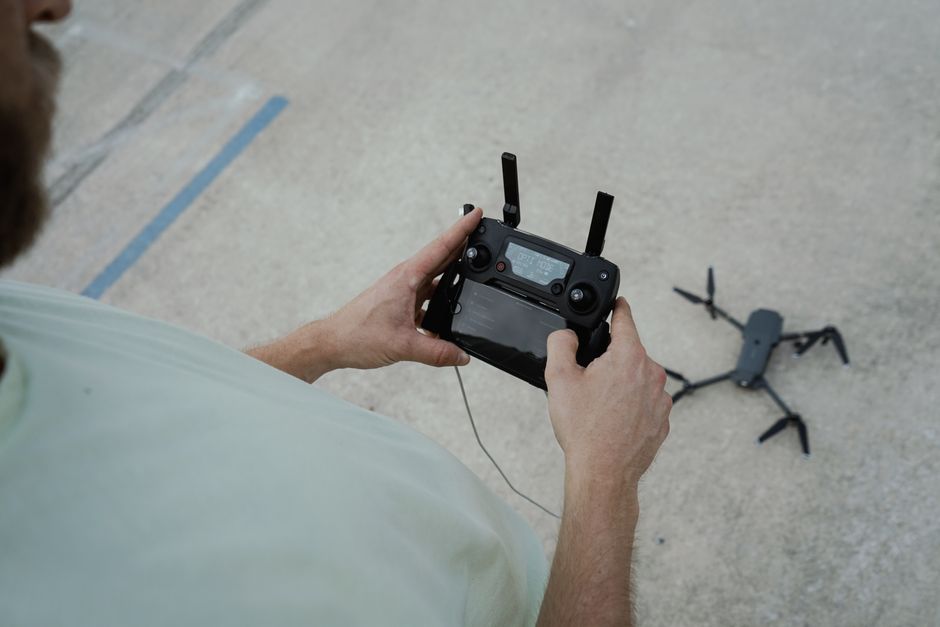
The FAA does have other requirements you’ll need to follow. First, any drone heavier than 0.55 pounds needs to be registered. And as of September 2023, most drones must broadcast Remote ID information – basically a digital license plate for your flying camera.
If you’re flying commercially (yes, that Instagram side hustle counts!), you’ll need your Part 107 Remote Pilot Certificate. This means:
- Being at least 16 years old
- Passing a 60-question test with a 70% or better score
- Clearing a TSA background check
- Renewing every two years
The test costs $150 and covers everything from regulations to weather patterns to drone operations. Don’t worry – there are plenty of prep courses that can help you ace it!
For more detailed information about FAA Part 107 requirements, check out the official FAA drone pilot resources.
Now, let’s talk dollars and sense. The cost of your drone photography insurance depends on several factors that insurers consider when sizing up your risk:
Your drone’s value and capabilities play a big role – that $10,000 professional rig will cost more to insure than a basic model. Your coverage limits, flight hours, and where you fly all impact your premium too. Flying over Manhattan? Expect to pay more than if you’re capturing cornfields in Iowa.
Your personal flight record matters as well. Previous accidents will raise your rates, while certifications and training can help lower them. And different photography niches carry different risks – real estate photography typically costs less to insure than hovering over a packed stadium event.
For a ballpark figure, recreational coverage with $500K limits runs about $42 monthly or $466 yearly. Standard commercial coverage with $1M limits (what most clients expect) costs between $62-80 monthly or around $750 yearly. Need higher limits for big productions? Expect to pay $108-250 monthly for $2M-$5M in coverage.
If you only need occasional coverage, hourly options start around $14 for commercial use – perfect for those one-off gigs!
At NUsure, we help you compare rates from over 50 top insurers to find coverage that won’t ground your budget before you even take off.
Minimum Recommended Coverage Limits
How much coverage do you actually need? Let me break it down for you:
For hobbyists who just share images online occasionally, $500K in coverage provides basic protection at the lowest cost – around $42 monthly. It’s the drone insurance equivalent of liability-only car insurance.
Most professional drone photographers should carry the industry standard of $1M in coverage. This meets requirements for typical real estate shoots, construction documentation, and general commercial work. Budget around $62-80 monthly for this level of protection.
Working with high-profile clients or filming for TV and movies? You’ll likely need $2M-$5M in coverage to meet contract requirements. This higher-tier protection costs approximately $108-250 monthly but is essential when flying near valuable property or large crowds.
For special events like weddings or sports competitions, consider specific endorsements that match the venue’s requirements and expected crowd size. Remember – if damages exceed your policy limits, you’re personally on the hook for the difference. That’s not a financial risk worth taking when your business reputation is at stake!
How to Save Money Without Sacrificing Protection
Nobody wants to overpay for insurance, but skimping on coverage is penny-wise and pound-foolish. Here are smart ways to save without compromising protection:
Bundle your policies for significant savings. Combining your drone photography insurance with other business coverage through a Business Owner’s Policy can slash premiums by up to 25%.
Take that advanced safety training course you’ve been eyeing! Many insurers offer discounts of 5-15% for pilots who go beyond basic Part 107 certification. It’s a win-win – you become a safer pilot and pay less for coverage.
If your cash flow allows, pay annually instead of monthly. This simple change typically saves 5-10% on your total premium. Think of it as a small reward for planning ahead!
For those with multiple drones, ask about fleet policies rather than insuring each aircraft separately. These bundled policies often provide better rates for photography businesses with several UAVs in their arsenal.
Be strategic about your hull coverage for older equipment. Insuring older drones for actual cash value rather than replacement cost, or accepting a slightly higher deductible, can meaningfully lower your premium.
Perhaps the best long-term strategy: fly safely and avoid claims. Many insurers reward claim-free pilots with discounts of 5-20% after several years without incidents. Those careful pre-flight checks really do pay off!
Finally, don’t set and forget your insurance. At NUsure, we help you regularly compare quotes from multiple carriers to ensure you’re always getting competitive rates as markets change.
With these strategies, you can typically reduce your insurance costs by 15-30% while keeping the essential coverage your drone photography business needs to soar with confidence. After all, the best drone photos are the ones you capture when you’re not worried about what might go wrong!
How to Choose & Buy Drone Photography Insurance
Navigating drone photography insurance doesn’t have to feel like flying through turbulence. Finding the right coverage is actually pretty straightforward when you break it down into manageable steps.

First things first – take a good look at what you’ve got and what you need. Make a list of all your drones (including those makes, models, and serial numbers), calculate how much your equipment is worth, and think about where you typically fly. Are you capturing dreamy beach weddings or soaring over downtown skyscrapers? Your typical flight environment makes a big difference in your coverage needs.
Don’t forget to review any client contracts you have – many will specify exactly what insurance they expect you to carry. This is especially true for commercial jobs where venues often require being added as an “additional insured” on your policy.
Before requesting quotes, gather all your important documentation. This includes your drone registration numbers, Part 107 certification (if you’re flying commercially), flight logs that show your experience, and those all-important serial numbers for your equipment. Having these details at your fingertips makes the application process much smoother.
At NUsure, we’ve simplified the comparison process considerably. Instead of filling out dozens of applications, you complete just one form to access quotes from over 50 top-rated insurance carriers. This lets you compare coverage options and pricing side-by-side, spot potential discounts, and understand exactly what each policy covers – and just as importantly, what it doesn’t.
When reviewing policies, pay close attention to the coverage territory (where you’re allowed to fly), any exclusions that might affect your specific operations, deductible amounts, and the process for reporting claims. These details matter tremendously when you actually need to use your insurance.
Once you’ve found the right fit, purchasing your policy is straightforward. Complete the application with your chosen carrier, pay your premium (either monthly or annually – annual payments often come with a nice discount), and download your Certificate of Insurance (COI). Keep this certificate handy, as clients will frequently request it before allowing you to fly on their property.
After your policy is active, insurance isn’t a “set it and forget it” situation. Keep your COI accessible for those client requests, update your coverage when you upgrade equipment, and add temporary additional insureds as needed for specific projects. It’s also smart to review your coverage annually to make sure it still meets your evolving business needs.
If you ever need to file a claim, the process typically follows a standard timeline: report the incident promptly (usually within 24-72 hours), provide documentation like photos and incident reports, work with the claims adjuster, pay your deductible, and receive payment, typically within 2-4 weeks.
At NUsure, we don’t just help you find insurance – we monitor your policy year-round to ensure you maintain appropriate coverage as your aerial photography business grows and changes.
Special Events & International Flights
Drone photography often takes you to unique places and special occasions that require extra insurance consideration. Let’s talk about how to handle these situations smoothly.
When you’re shooting one-time events like weddings, concerts, or sporting events, consider short-term coverage options. Many insurers now offer daily or even hourly policies that make perfect sense for these situations – with rates starting around $14/hour for standard liability limits, it’s often more economical than maintaining year-round high-limit coverage.
Always check venue requirements well in advance. Many event spaces will specify exactly what insurance they require and will need to be added as an additional insured on your policy. For crowded events, consider bumping up your liability limits – the difference in premium is often minimal compared to the extra protection you receive.
If your drone photography trips take you beyond U.S. borders, you’ll need to take a few extra steps. Most standard drone photography insurance policies only cover operations within the United States and Canada. For international work, look specifically for policies that offer “worldwide territory” coverage.
Drone regulations vary dramatically by country. Some nations require specific permits, registration, or even local insurance policies before you can legally fly. Research these requirements well in advance – I’ve heard too many stories of expensive drone equipment sitting unused in hotel rooms because the pilot didn’t have the proper documentation!
International coverage typically costs about 10-20% more than standard domestic policies, but that’s a small price to pay for the peace of mind when flying in unfamiliar territory. And don’t forget to research customs requirements for bringing your equipment across borders – some countries have strict regulations or fees.
Whether you’re covering a special event or flying internationally, the golden rule is planning ahead. Contact your insurance provider at least 2-3 weeks before your event or trip to ensure you have appropriate coverage in place. Nothing ruins a creative shoot faster than insurance worries!
Filing a Claim Without Turbulence
Even the most careful pilots sometimes experience mishaps. When accidents happen, knowing how to file a claim efficiently can make all the difference in getting your business back in the air quickly.
Documentation is your best friend when filing a claim. The moment an incident occurs, start taking photos of any damage from multiple angles. Collect contact information from witnesses, preserve any video footage from the flight, and make notes about weather conditions or other factors that might have contributed to the incident. These details might seem unimportant in the moment, but they can be crucial for your claim.
Report the incident promptly – most drone photography insurance policies require notification within 24-72 hours. Call your insurer’s claims hotline or submit through their online portal, providing your policy number and a thorough description of what happened. Honesty is critical here – attempting to misrepresent the circumstances can lead to claim denial.
When completing the formal claim forms, be meticulous and thorough. Include all supporting documentation, provide repair estimates from authorized service centers, and submit proof of value for any damaged equipment. The more complete your initial submission, the faster your claim will typically be processed.
Throughout the claims process, stay organized and persistent. Keep records of all communications with your insurer, respond quickly to requests for additional information, and maintain a log of claim numbers and adjuster contact details. Being both patient and gently persistent is often the right approach.
Before accepting any settlement offer, review it carefully. Make sure you understand how your deductible is being applied, verify that all damaged items are included, and confirm that coverage limits have been properly considered. If something seems off, don’t hesitate to ask questions or negotiate if necessary.
Most drone insurance claims wrap up within 2-4 weeks, though complex situations involving third-party injuries might take longer. Starting with comprehensive documentation can significantly speed up the process and get you back to capturing those perfect aerial shots sooner.
Frequently Asked Questions about Drone Photography Insurance
Is drone insurance required by law in the U.S.?
The question I hear most often from new drone photographers is about legal requirements. Here’s the straightforward answer: there’s no federal mandate requiring drone insurance in the United States—with one notable exception. Minnesota stands alone in requiring commercial drone operators to carry liability insurance.
That said, the absence of a legal requirement doesn’t mean you should fly unprotected. Many clients won’t even let you power up without first seeing your Certificate of Insurance. I’ve had photographers tell me stories of arriving at wedding venues or commercial properties only to be turned away because they couldn’t provide proof of coverage.
For more information about Minnesota’s specific drone insurance requirements, you can visit UAV Coach’s guide to drone laws in Minnesota.
Professional drone operators typically view drone photography insurance as a standard business expense—like your camera gear or editing software. It’s simply part of being a responsible business owner in an industry where accidents, while rare, can be costly.
Does my homeowners policy cover drone crashes?
I wish I could tell you your existing homeowners policy has you covered, but that would be misleading in most cases. While your homeowners insurance might cover a drone that’s stolen from your garage or living room, it typically draws a hard line when that drone takes to the air.
Most standard homeowners policies specifically exclude:
– Any commercial drone operations (even if you’re just starting out)
– Liability for incidents involving your drone
– Aviation activities (and yes, drones fall under aviation in insurance terms)
– Intentional aerial operations
I’ve seen drone operators find this coverage gap the hard way—after an incident occurs. Even in the rare case where your homeowners policy doesn’t explicitly exclude drone coverage, the liability limits are almost certainly insufficient for the types of claims that could arise from drone operations.
For meaningful protection that will actually respond when you need it, dedicated drone photography insurance is the way to go.
How much does $1 million of coverage typically cost?
Let’s talk dollars and cents. For standard commercial drone operations with $1 million in liability coverage (the industry benchmark), you’re typically looking at $62-80 per month, or approximately $750 annually.
That breaks down to about $2-3 per day to protect your business from potentially devastating claims. When you consider that a single drone incident could result in tens of thousands in damages or medical bills, the value becomes clear.
Of course, your actual premium will vary based on several factors:
– The specific drone model you fly and its value
– Your experience level and claims history
– Your typical flight locations and frequency
– Additional coverages you select (hull, payload, etc.)
– Discounts you qualify for through training or bundling
For those who only need occasional coverage, hourly policies start around $14 per hour for that same $1 million liability limit—perfect for one-off events or client shoots.
At NUsure, we understand that every drone photography business is unique. That’s why we help you compare quotes from over 50 carriers to find coverage that fits both your protection needs and your budget. Our customers often tell us they’re surprised by how affordable comprehensive coverage can be when they shop through our marketplace.
Conclusion
In today’s dynamic world of aerial imagery, drone photography insurance isn’t just another expense—it’s a fundamental investment that safeguards your business, equipment, and reputation. As we’ve seen throughout this guide, flying unprotected leaves you vulnerable to risks that could quickly ground your aerial ambitions.
Think about what’s at stake: your expensive equipment, your professional liability, and the peace of mind that comes from knowing you’re covered when the unexpected happens. One unfortunate incident—whether it’s a crash into a client’s property or a privacy claim from an unwitting subject—could cost far more than years of premium payments.
At NUsure, we’ve helped countless drone operators like you find the perfect coverage for their unique needs. Our marketplace brings together over 50 top-rated carriers, making it simple to compare options and find policies that provide comprehensive protection without unnecessary costs. Whether you’re capturing breathtaking real estate visuals on weekends or running a full-scale aerial cinematography operation, we’ll help you find coverage that fits your specific situation.
What truly sets us apart is our commitment to your long-term success. We don’t just help you purchase a policy and disappear—our year-round policy monitoring ensures your coverage evolves as your business grows and changes. As regulations shift and your equipment upgrades, we’ll be there to help you adjust your coverage accordingly.
The skies offer limitless creative possibilities for photographers, but they also present unique risks. Don’t let an uninsured incident clip your wings. With the right drone photography insurance in place, you can focus on capturing stunning aerial images while knowing you’re protected against the unexpected.

Ready to protect your drone photography business? Get a free quote from our marketplace of 50+ top-rated carriers and fly with confidence.