
Why Home Insurance Policy Quotes Matter
Understanding home insurance policy quotes can feel overwhelming, but it’s crucial for protecting your biggest investment—your home. In this guide, we’ll cut through the jargon and help you compare quotes easily, so you get the best coverage for your needs.
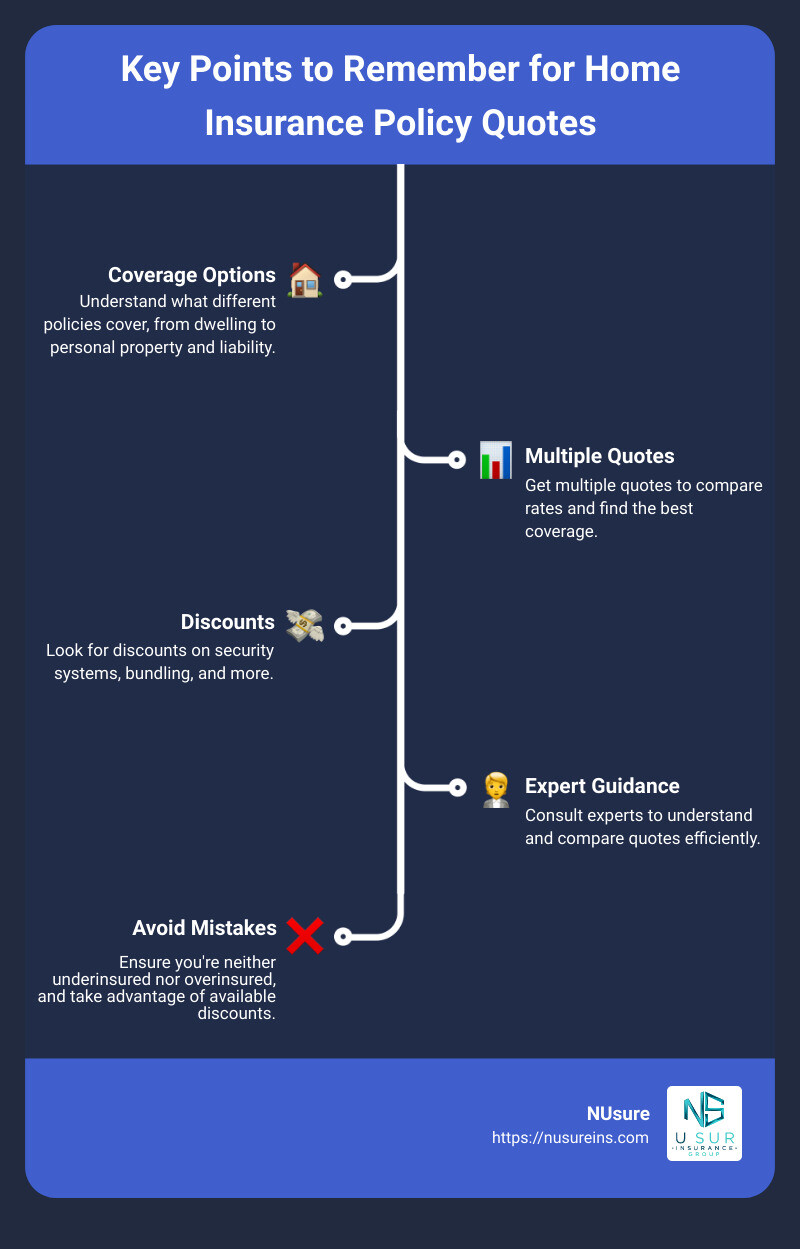
If you’re in a rush, here are the key points you need to know:
- Home insurance policy quotes vary by the insurer and cover different aspects like dwelling, personal property, and liability.
- You should get multiple quotes to find the best rates and coverage.
- Look for discounts on things like security systems and bundling home and auto insurance.
I’m Michael J. Alvarez, CPRM, CPIA, an expert in home insurance policy quotes with years of experience in the Florida and New Jersey markets. I have helped countless homeowners find the right coverage for their needs and can guide you through understanding and comparing quotes efficiently.
Home insurance policy quotes terms to learn:
– buy cheap home insurance
– buy home insurance online
– cheapest home insurance policy
Understanding Home Insurance Policy Quotes
What is Covered?
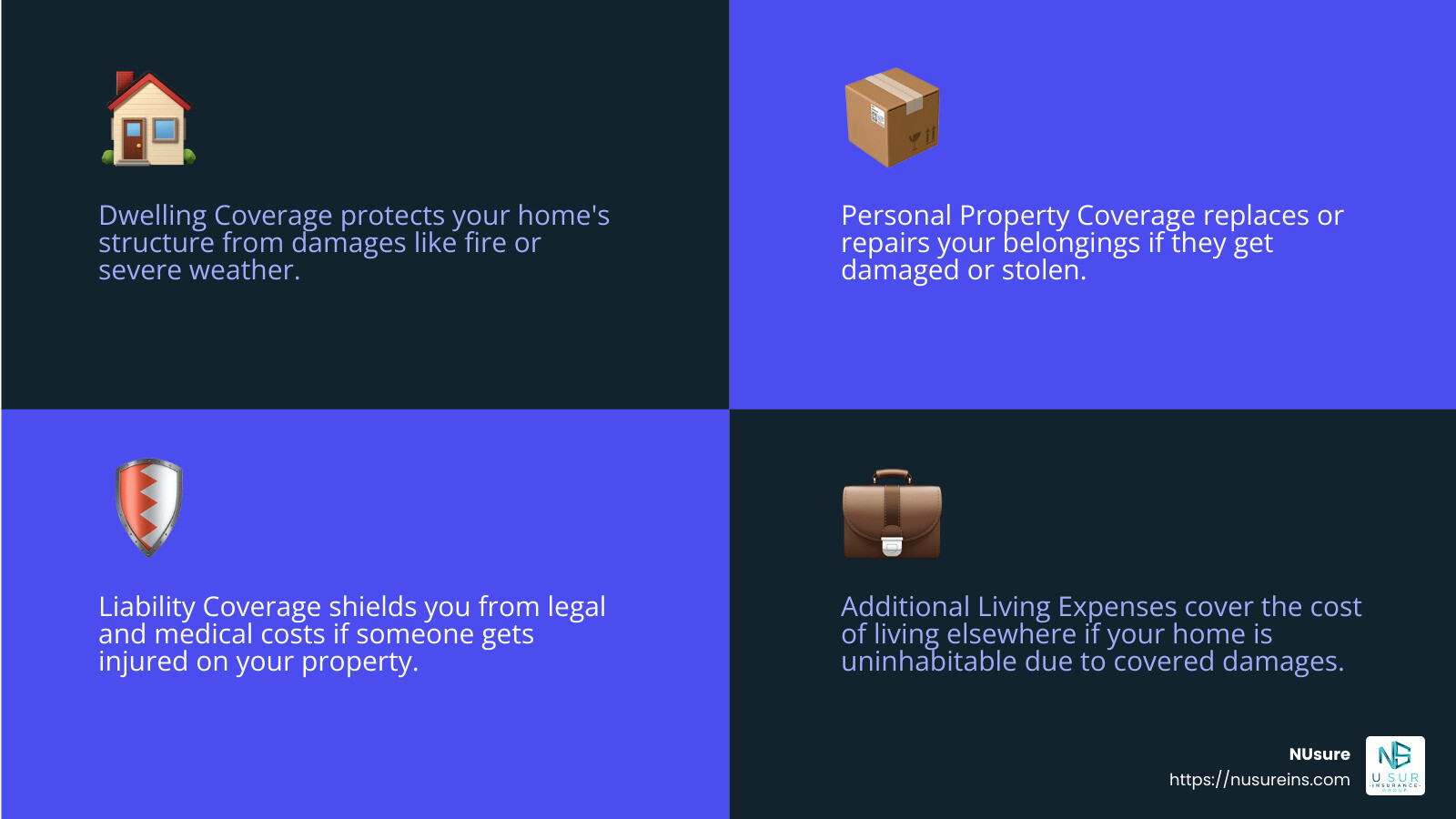
When you get a home insurance policy quote, know what is covered. Typically, a standard homeowners insurance policy includes several types of coverage:
1. Dwelling Coverage:
This is the cornerstone of your policy. It covers the cost to repair, replace, or rebuild your home if it’s damaged by a covered peril like fire, theft, or severe weather. For example, if a hailstorm damages your roof, dwelling coverage would pay for the repairs minus your deductible.
2. Personal Property:
This covers your belongings inside the home, such as furniture, electronics, and clothing. If someone breaks into your home and steals your TV, personal property coverage would help replace it.
3. Liability Coverage:
Liability coverage protects you if someone is injured on your property and you are found legally responsible. For instance, if a delivery person slips on your icy steps and breaks their arm, your policy may cover their medical bills and legal fees.
4. Additional Living Expenses (ALE):
If your home becomes uninhabitable due to a covered loss, ALE covers the extra costs of living elsewhere, such as hotel bills and restaurant meals. For example, if a fire damages your kitchen and you can’t live at home during repairs, ALE would cover your temporary living expenses.
The 80% Rule
Understanding the 80% rule is crucial to avoid penalties for being underinsured. This rule states that your insurance should cover at least 80% of your home’s replacement cost. If you don’t meet this threshold, you may face penalties and receive a lower payout in the event of a claim.
Replacement Cost vs. Market Value:
Replacement Cost: This is the amount it would take to rebuild your home from scratch, including materials and labor. It often differs from the market value, which is what your home would sell for in the current real estate market.
Market Value: This includes the land and the location of your home, which isn’t covered by insurance.
Underinsured Penalties:
If your coverage is below 80% of the replacement cost, you may have to pay a portion of the repairs out of pocket. For example, if your home is insured for $200,000 but the replacement cost is $300,000, you might only receive a partial payout for a claim.
By understanding these coverage options and rules, you can make an informed decision when comparing home insurance policy quotes.
Next, we’ll dig into how to compare multiple home insurance policy quotes to ensure you’re getting the best rates and coverage.
How to Compare Home Insurance Quotes
Information Needed for Quotes
To get accurate home insurance policy quotes, you’ll need to provide detailed information about your home and your coverage needs. Here’s what you’ll typically need:
1. Home Details:
– Address: The location of your home can affect the quote due to regional risks like weather patterns or crime rates.
– Construction Details: Materials used, age of the home, and any renovations or updates.
– Safety Features: Presence of fire alarms, burglar alarms, and other safety systems.
2. Personal Information:
– Your Name and Contact Information: Basic details for identification and communication.
– Insurance History: Previous claims and current insurance status.
– Credit Score: Some insurers use credit scores to determine risk levels.
3. Coverage Needs:
– Dwelling Coverage: Amount needed to rebuild your home.
– Personal Property Coverage: Value of your belongings.
– Liability Coverage: Amount to cover legal expenses if someone is injured on your property.
– Additional Living Expenses (ALE): Costs if you need to live elsewhere temporarily.
Getting Multiple Quotes
1. Multiple Quotes:
It’s advisable to get at least three quotes from different insurers. This helps you understand the range of coverage and costs available to you. Each insurer might offer different discounts and rates based on their criteria.
2. Coverage Comparison:
When comparing quotes, don’t just look at the price. Examine the coverage options in detail. Ensure that the policies offer similar coverage limits and deductibles so you can make an apples-to-apples comparison.
Example: If one policy offers $300,000 in dwelling coverage with a $1,000 deductible, compare it to another policy with the same limits and deductible.
3. Cost Factors:
Several factors can influence the cost of your home insurance policy:
– Location: Proximity to fire stations, crime rates, and weather risks.
– Home Value: Higher-valued homes typically have higher premiums.
– Coverage Limits: More coverage means higher premiums.
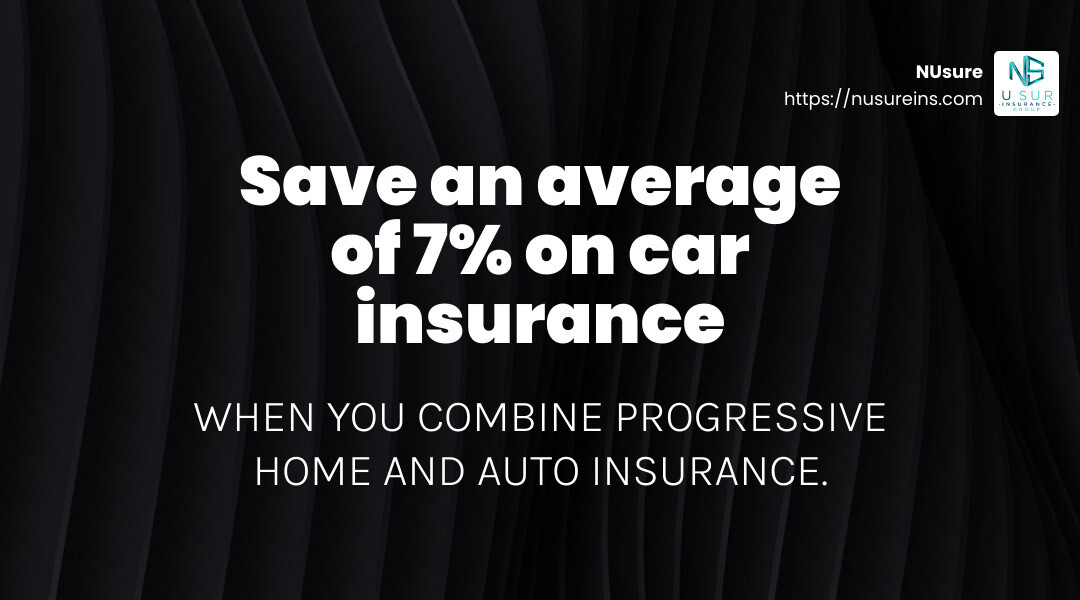
– Discounts: Look for bundling discounts if you also need auto insurance, or discounts for safety features like alarms.
Getting the Best Rates
1. Three Quotes:
By obtaining at least three quotes, you give yourself a broader view of the market. This helps you identify which insurer offers the best combination of coverage and price.
2. Comparison Tools:
Use online comparison tools to simplify the process. These tools can aggregate multiple quotes based on the information you provide, making it easier to compare options side-by-side.
3. Consult an Advisor:
If you’re unsure about the details, consult an insurance advisor. They can help you understand the fine print and ensure you’re getting the best deal.
By following these steps, you’ll be better equipped to compare home insurance policy quotes and find the coverage that best suits your needs and budget.
Next, we’ll explore the factors that affect home insurance quotes, including location, home value, and available discounts.
Factors Affecting Home Insurance Quotes
When it comes to home insurance policy quotes, several factors influence the cost. Understanding these can help you make informed decisions and find the best coverage for your home.
Discounts and Savings
Bundling:
Combining your home insurance with other policies, like auto insurance, can save you up to 10% or more. This is because insurers often offer discounts to customers who purchase multiple policies from them.
Security Systems:
Installing security systems like burglar alarms and fire alarms can lower your insurance premiums. These systems reduce the risk of theft and fire, making your home safer and less expensive to insure.
New Home Discounts:
If your home is newly built, you might qualify for new home discounts. Newer homes generally have updated electrical, plumbing, and heating systems, which are less likely to fail and cause damage.
Impact of Home Features
Fire Alarms and Burglar Alarms:
Homes equipped with fire alarms and burglar alarms are considered lower risk. These safety features can not only protect you but also reduce your insurance costs.
Plumbing Systems:
Modern plumbing systems are less prone to leaks and water damage. If your home has an updated plumbing system, you might see lower premiums. Insurers often consider the age and condition of your plumbing when determining rates.
Location
Proximity to Fire Stations:
Homes closer to fire stations typically have lower insurance rates. This is because a shorter response time can reduce the extent of fire damage.
Crime Rates:
Living in an area with low crime rates can also lower your premiums. Insurers assess the risk of theft and vandalism when calculating your quote.
Weather Risks:
Regions prone to extreme weather, like hurricanes or floods, usually have higher insurance costs. If you live in such an area, consider additional coverage options to protect against these risks.
Home Value and Coverage Limits
Home Value:
The value of your home significantly impacts your insurance rates. Higher-valued homes cost more to insure because they would be more expensive to rebuild or repair.
Coverage Limits:
Choosing higher coverage limits will increase your premiums. However, it ensures that you have adequate protection in case of a significant loss. Balancing your coverage needs with your budget is crucial.
By considering these factors, you can better understand what affects your home insurance policy quotes and how to potentially lower your costs.
Next, we’ll discuss common mistakes to avoid when purchasing home insurance.
Common Mistakes to Avoid
When seeking home insurance policy quotes, it’s easy to make mistakes that could cost you in the long run. Here are some common pitfalls and how to avoid them.
Underinsurance
Underinsurance occurs when your coverage limits are too low to fully cover the cost of rebuilding or repairing your home after a disaster. This can leave you with significant out-of-pocket expenses. To avoid this, ensure your policy covers at least 80% of your home’s replacement cost. This is known as the 80% Rule. Failing to meet this threshold can result in penalties and insufficient coverage.
Overinsurance
While it might seem like a good idea to get the highest possible coverage, overinsurance can lead to unnecessarily high premiums. Assess the actual value of your home and belongings, and choose coverage that matches your needs without going overboard. You only need enough to rebuild your home and replace your belongings, not to make a profit.
Ignoring Discounts
Many homeowners overlook available discounts that could reduce their premiums. For instance, bundling your home and auto insurance, installing security systems, or having a newly built home can all qualify you for discounts. Always ask your insurer about potential savings.
Admissions of Fault
When communicating with your insurer, especially after a loss, be cautious about admissions of fault. Saying something like, “It was my fault the pipe burst,” can complicate your claim. Stick to the facts and let the adjuster determine liability.
Liability
Understanding liability coverage is crucial. This part of your policy protects you if someone is injured on your property. Ensure you have adequate limits to cover potential legal fees and medical expenses. Insufficient liability coverage can leave you financially vulnerable.
Adjuster Communication
Effective adjuster communication is vital. Be clear, honest, and prompt in your responses. Keep a record of all interactions and document any damage thoroughly. This can expedite the claims process and help avoid misunderstandings.
Avoiding these common mistakes can help you secure the right coverage at the best price. Next, we’ll address some frequently asked questions about home insurance policy quotes.
Frequently Asked Questions about Home Insurance Policy Quotes
Who has the cheapest homeowners insurance?
When looking for the cheapest homeowners insurance, it’s important to balance affordable options with adequate coverage. While some insurers may offer lower premiums, they might also provide less coverage or have higher deductibles.
Competitive rates can often be found by comparing multiple quotes. For example, some insurers offer discounts if you bundle home and auto insurance or if your home has security systems installed. Value for money is key—ensure you’re not sacrificing essential coverage for a lower price.
How many quotes should you get for homeowners insurance?
It’s generally recommended to get at least three quotes when shopping for homeowners insurance. This gives you a broader comparison of what’s available and helps you identify the best rates and coverage options for your needs.
By comparing multiple quotes, you can see which insurer offers the best combination of price, coverage, and customer service. This approach ensures you’re making an informed decision and not overpaying for your policy.
What is a deductible in home insurance?
A deductible is the amount you pay out-of-pocket before your insurance kicks in to cover a claim. For instance, if your policy has a $1,000 deductible and you file a claim for $5,000 in damages, you would pay the first $1,000, and your insurer would cover the remaining $4,000.
Choosing the right amount for your deductible depends on your financial situation and risk tolerance. A higher deductible typically means lower monthly premiums but more out-of-pocket expenses in the event of a claim. Conversely, a lower deductible results in higher premiums but less out-of-pocket cost when you need to file a claim.
Understanding these aspects can help you choose a home insurance policy quote that best fits your budget and coverage needs.
Conclusion
At NuWe understand that finding the right home insurance policy quote can be overwhelming. That’s why we offer personalized policies custom to your unique needs and budget. Our goal is to make the process as simple and efficient as possible.
Personalized Policies: With NuYou’re not just getting a one-size-fits-all policy. We match you with quotes from top carriers in your area, ensuring you get a policy that fits your specific needs. This personalized approach helps you get the most out of your coverage without paying for extras you don’t need.
Year-Round Monitoring: We don’t just help you find the right policy and leave you on your own. NuSure provides year-round monitoring to ensure your coverage remains adequate as your needs change. This proactive approach means you can have peace of mind knowing your home is always protected.
Saving Time and Money: By comparing multiple quotes from top carriers, NuSure helps you find the best rates and coverage options. This saves you both time and money, as you don’t have to spend hours researching and comparing policies on your own.
Ready to protect your home with a personalized insurance policy? Start your free quote now and find the NuSure difference today. You can get peace of mind knowing your home is protected against the unexpected. Start your journey with NuYour trusted insurance partner.