
money saving expert second home insurance: 10 Powerful Tips 2025
Protecting Your Second Home: Essential Insurance Guide
Money saving expert second home insurance is specialized coverage designed to protect your valuable property investment when it’s not your primary residence. Understanding this unique insurance type is crucial for safeguarding your second home while keeping costs manageable.
“Your second home should be your pride and joy… without the burden of worry.” – Schofields Insurance
Quick Money Saving Expert Second Home Insurance Facts:
| Key Point | What You Need to Know |
|---|---|
| Average Cost | £315 per year for combined buildings and contents (typically 2-3× higher than standard home insurance) |
| Potential Savings | 51% of customers could save £207+ by comparing policies |
| Main Difference | Covers extended unoccupancy periods (standard policies only cover 30-60 days) |
| Must-Have Coverage | Buildings, contents, public liability, and unoccupied property protection |
| Best Value Tip | Bundle policies but compare specialist second home insurers |
Second homes face unique risks including longer vacancy periods, higher theft probability, and increased chances of undetected damage from burst pipes or storms. Standard home insurance policies typically won’t provide adequate protection, as they’re designed for properties occupied full-time.
When left empty for extended periods, insurance companies consider second homes higher risk, which explains the premium increase. However, with the right approach, you can find comprehensive coverage at reasonable rates.
I’m Michael J. Alvarez, CPRM, CPIA, a Property & Casualty risk executive with extensive experience helping homeowners steer money saving expert second home insurance options across Florida and New Jersey markets. My expertise in second home coverage stems from years of creating customized insurance solutions that balance protection with affordability.
Money saving expert second home insurance word list:
– home insurance money saving expert
– find affordable home insurance
– compare home insurance prices
Second Home Insurance 101: Definitions, Risks & Property Types
That charming seaside cottage, the flat you use for work trips, or the property you inherited from Grandma – your second home isn’t just a delightful escape, it’s also a valuable asset that needs specialized protection. Unlike your primary residence, these occasional-use properties face unique risks that standard insurance simply wasn’t designed to cover.
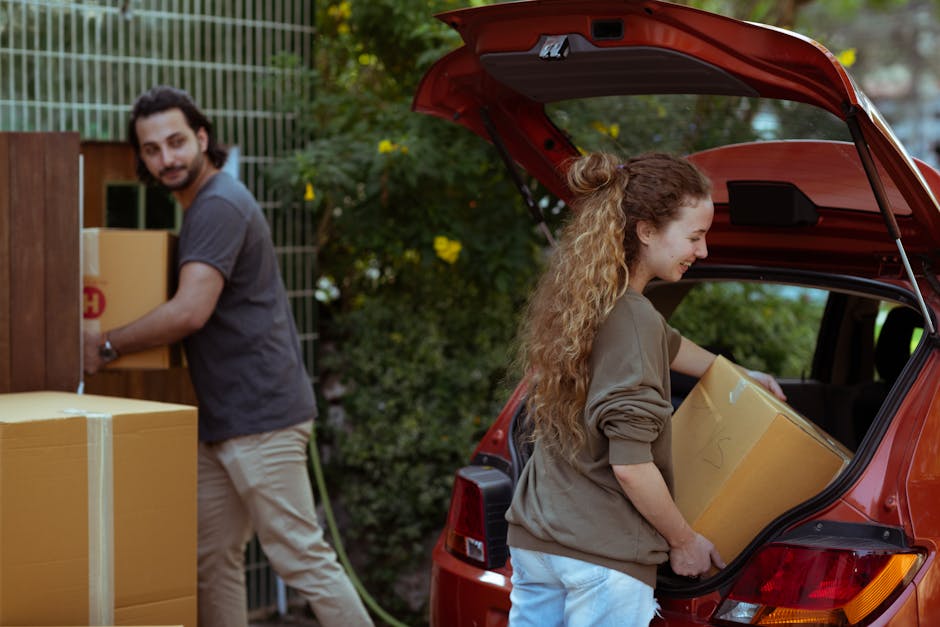
Your second property might be a holiday home where you create family memories by the beach, a convenient work-week flat that saves you from commuting nightmares, a treasured inherited property with sentimental value, or even an exciting renovation project you’re slowly changing. Each brings its own joys – and insurance considerations.
Here’s something crucial many homeowners find too late: standard insurance policies typically include what’s known as the “30-day rule.” Leave your property unattended for more than a month, and you might find yourself without coverage just when you need it most.
This brings us to an important distinction in the money saving expert second home insurance world:
An unoccupied property still contains your furniture and belongings but nobody’s living there – like your beach house during the winter months. A vacant property, however, is empty of both people and possessions – perhaps a newly purchased renovation project.
Comparing Second Home vs. Standard Home Insurance
| Feature | Standard Home Insurance | Second Home Insurance |
|---|---|---|
| Occupancy Requirements | Must be your main residence | Covers occasional occupancy |
| Unoccupancy Period | Typically 30-60 days maximum | Extended periods (with conditions) |
| Inspection Requirements | None | May require regular inspections |
| Burst Pipe Coverage | Standard | May require temperature maintenance |
| Cost | Lower premiums | 2-3× higher premiums |
| Letting Coverage | Limited or excluded | Can include guest/tenant coverage |
Money Saving Expert Second Home Insurance: Key Differences
When shopping for money saving expert second home insurance, you’ll notice several important differences from your regular homeowner’s policy:
The most obvious benefit is extended unoccupancy limits. While your standard policy might leave you vulnerable after just a month away, second home policies are specifically designed for properties that stand empty for longer periods.
You’ll also find specialist policy wording that acknowledges the realities of occasional use. These policies anticipate periods of emptiness and include specific provisions for security, maintenance, and property oversight.
Many insurers require regular inspection visits – typically every 7-14 days – though this varies between companies. As one homeowner lamented in an online forum: “Does anyone know of insurers that do offer insurance for second homes and require the place to be checked less frequently than every 7 days?” Finding the right balance between security and convenience is key.
Winter brings additional considerations, with many policies requiring you to either maintain minimum heating or completely drain down water systems to prevent frozen pipe disasters.
Types of Properties That Qualify as a Second Home
Second home insurance is wonderfully versatile, covering everything from charming cottages nestled in the countryside to stylish city apartments that put you close to the action. Cozy lodges and seasonal chalets typically qualify too, giving you protection whether your retreat is rustic or refined.
Even overseas villas can be covered, though these often require country-specific policies that address local regulations and risks. One NUsure customer shared: “I inherited a flat from my father in an attractive part of the country and I’m using it as a holiday home. But I live 360 miles away, making regular inspections challenging.” This is precisely the kind of situation where specialized second home coverage becomes essential.
Whether your second property is a weekend retreat, an investment, or a cherished inheritance, the right insurance gives you peace of mind that your special place is protected – even when you’re not there to keep an eye on things yourself. And with home insurance money saving expert strategies, you can secure that protection without breaking the bank.
What Does Second Home Insurance Cover? (Buildings, Contents & Add-Ons)
When it comes to protecting your second home, understanding what’s covered is essential for peace of mind. After all, you can’t always be there to keep an eye on things!
Buildings Insurance
Your second home’s physical structure deserves solid protection. Buildings insurance has your back when it comes to:
The walls that shelter you, the roof overhead, those floors beneath your feet—all covered. Your permanent fixtures like bathrooms and kitchens are protected too. And don’t worry about those outbuildings! Your garage, shed, and even swimming pools or tennis courts fall under this umbrella. Even your driveway and patio are included.
Buildings coverage is based on the rebuild cost, not market value. This is what it would cost to completely rebuild from the ground up if disaster struck—a crucial distinction that many second homeowners overlook.
Contents Insurance
While the structure is important, what’s inside matters too! Contents insurance protects all those personal touches that make your second home special:
That comfy sofa you love to sink into after a day at the beach? Covered. The flat-screen TV for movie nights? Protected. From furniture and electronics to kitchen gadgets and decorative items—even your curtains, rugs, and cherished family photos are safeguarded.
When calculating contents value, a good rule of thumb is to mentally pack up everything you’d take if you moved house. You might be surprised at how quickly it adds up!

Additional Coverages Often Included
Your second home insurance can do so much more than just protect the building and its contents. Most policies include personal possessions coverage for items you take away from the property—perfect for beach gear or hiking equipment.
Public liability protection is a lifesaver if someone takes a tumble on your property and decides to sue. And if you hire a cleaner, gardener, or property manager, employers’ liability coverage is essential (and often legally required).
If disaster strikes and renders your property uninhabitable, loss of rent coverage reimburses your lost income, while alternative accommodation helps cover your own stay elsewhere during repairs.
Other valuable protections include accidental damage (for those “oops” moments), flood cover (especially important for coastal properties), and burst pipes coverage—absolutely crucial for properties left empty during chilly winter months.
Money Saving Expert Second Home Insurance: Optional Extras Worth Paying For
While we’re all looking to save money, some policy add-ons are truly worth their weight in gold:
Home emergency cover is a genuine lifesaver, providing 24/7 assistance when disasters strike. Imagine a pipe bursting in your empty cottage in January—this coverage ensures help arrives quickly, preventing a small problem from becoming a catastrophic one.
Legal cover might seem unnecessary until you find yourself in a boundary dispute with neighbors or dealing with problematic tenants. The legal expertise and financial support it provides can be invaluable.
For those who keep electronics at their second home, gadget cover protects your laptops, tablets, and other portable devices that might not be fully covered under standard contents policies.
One of my personal favorites is trace and access cover. It pays not just for fixing a leak, but for finding its source—including breaking into walls if necessary. For properties that sit empty for weeks at a time, this can prevent small leaks from causing massive structural damage.
As one frustrated policyholder recently finded: “I’ve just been informed by my insurance company (More Than) that they are no longer offering the product I have with them which provides buildings insurance on my second home (which is rented out to my Son).” This highlights why understanding your coverage—and staying on top of policy changes—is so important.
Letting Out Your Second Home: Impact on Cover
Thinking of letting others enjoy your second home? This will significantly affect your insurance needs.
Friends & Family Letting
Even casual arrangements with loved ones require insurance consideration. Most standard second home policies allow occasional use by family and close friends, but be sure to:
Tell your insurer about these arrangements—transparency prevents nasty surprises at claim time. Make sure your guests know where vital controls are located (like water shut-off valves) in case of emergency. And consider boosting your liability coverage, because even beloved friends and family can accidentally cause damage or suffer injuries.
Commercial Holiday Lets (Airbnb, etc.)
If you’re looking to earn income from your property through Airbnb or similar platforms, standard second home insurance likely won’t cut it. You’ll need specialized holiday let insurance that includes:
Protection against guest theft and malicious damage (unfortunately, not all guests treat your property with care). Higher public liability limits—typically £2-5 million—because as one insurer bluntly puts it: “If a tenant slips in the shower or on a wet floor, you need public liability cover.” Without adequate protection, your personal assets could be at risk.
Looking for the perfect balance of protection and affordability? NUsure makes it easy to compare policies from over 50 top-rated carriers, ensuring you find coverage that matches your unique second home needs—without breaking the bank.
Money Saving Expert Second Home Insurance Strategies to Save
Let’s face it – insuring your second home typically costs more than your primary residence. But don’t worry! There are plenty of smart ways to trim those premiums without sacrificing the protection your property deserves.
Multi-Property Discounts
Good news for property owners! Many insurance companies offer loyalty discounts when you insure multiple properties with them. While your holiday cottage needs its own specialized policy, keeping both homes with the same provider often open ups savings that can really add up over time.
“I saved nearly £180 annually by insuring both my London flat and Cornwall cottage with the same company,” shares one NUsure customer. “The process was surprisingly simple – I just mentioned I already had my primary home insured with them.”
Policy Bundling
Here’s a simple win: combining your buildings and contents insurance into one neat package. This bundling approach typically saves between 10-15% compared to purchasing separate policies. It’s not just about saving money – it also simplifies your paperwork and ensures there are no coverage gaps between policies.
Optimize Your Voluntary Excess
Adjusting your voluntary excess (the amount you contribute toward claims) can significantly impact your premium. Money saving expert second home insurance specialists often recommend increasing this amount if you’re comfortable doing so. Just be sensible – make sure you could actually afford to pay that excess if disaster strikes your holiday home.

Security Upgrades
Your second home is particularly vulnerable when empty, which is why insurers love security-conscious owners. Installing approved security measures not only protects your property but can substantially lower your premiums too.
Consider these effective upgrades:
– Five-lever mortice deadlocks on external doors
– Key-operated window locks on accessible windows
– Monitored burglar alarm systems
– Smart security with remote monitoring (allowing you to check on your property from anywhere)
– CCTV cameras covering entry points
Many smart systems now allow you to monitor your property remotely through your smartphone – perfect for keeping an eye on your second home when you’re miles away.
Winter Precautions
Those beautiful winter months can be particularly harsh on empty properties. Frozen and burst pipes account for a significant percentage of second home insurance claims.
Some insurers offer meaningful discounts if you take preventative measures like:
Maintaining minimum temperatures – Many policies require keeping the heating at around 15°C during winter months.
Installing smart thermostats with freeze protection features that alert you to dangerous temperature drops.
Draining water systems if your property will remain empty during cold spells – a simple step that can prevent thousands in damage.
“After a £6,000 claim for burst pipe damage in our Lake District cottage, we installed a smart thermostat system. Not only did our insurer reduce our premium by 12%, but the peace of mind is priceless,” explains another NUsure customer.
Protect Your No-Claims Bonus
A solid no-claims history can reduce your premiums by up to 30% after several claim-free years. Many insurers now offer no-claims bonus protection as an add-on. While this does cost a little extra, it can prove incredibly cost-effective if you need to make a small claim.
Year-Round Policy Monitoring
Why wait until renewal to find savings? At NUsure, we don’t believe you should pay more than necessary for even a single day. Our year-round policy monitoring service automatically checks for better rates throughout your policy term, not just at renewal time.
According to Association of British Insurers research, the average combined buildings and contents home insurance in the UK currently costs £315 annually. Buildings insurance typically costs £236 and contents insurance £117 when purchased separately – highlighting the savings available through bundling.
Quick Wins to Cut Costs Without Cutting Cover
Never automatically renew without shopping around first. The best deals are often reserved for new customers, so it pays to compare. Our data shows that 51% of home insurance customers could save £207 or more simply by comparing policies.
Calculate accurate rebuild values for your property – not the market value. Overestimating leads to unnecessarily high premiums, while underestimating risks inadequate coverage if disaster strikes.
Whenever possible, pay annually rather than monthly. Those convenient monthly payments typically include interest charges of 15-20%, substantially increasing your overall cost.
Maintain good credit scores too – in many regions, insurers use credit information as a rating factor when calculating premiums.
Advanced Hacks for Serial Savers
If you’re fortunate enough to own several properties, consider a multi-property portfolio approach. Specialist brokers often offer portfolio policies with significant bulk discounts that aren’t advertised to single-property owners.
Don’t be afraid to negotiate inspection intervals. While many policies require 7-day inspections (which can be challenging if your second home is far away), some insurers will extend this to 14 or even 30 days if you’ve invested in improved security measures like smart monitoring.
Working with specialist brokers can open up exclusive deals not available on comparison sites. These professionals understand the unique challenges of second home ownership and can often find custom coverage at better rates.
For more detailed guidance on finding the right policy at the right price, visit our comprehensive guide on how to compare home insurance prices.
Comparing Quotes, Claim Process & FAQs
Shopping for money saving expert second home insurance isn’t as daunting as it might seem—especially if you’re prepared. A little upfront effort goes a long way toward saving money and avoiding headaches down the road. Here’s how to get started, compare your options like a pro, and glide through the claims process if you ever need to.
What You Need for a Second Home Insurance Quote
Getting a truly accurate quote is all about providing the right details. Start with the property basics: you’ll need to share the address, what type of building it is (think cottage, flat, villa), the year it was built, and what materials it’s made from. Insurers also care about security details—so jot down what type of locks you have, whether you’ve got an alarm system, and how close your neighbors are (it matters more than you’d think!).
Next, you’ll need to know the rebuild cost of your second home—not the price you’d sell it for, but what it would cost to rebuild from scratch. If you’re unsure, use a reputable online calculator or get a professional valuation. For contents cover, a quick room-by-room list will help you calculate a realistic value. Don’t forget to note how often you use the property and the longest stretch it sits empty. If you let it out—whether to family, friends, or paying guests—you’ll need to declare that, too.
Insurers will also want a quick rundown of your claims history for the past five years. Honesty here is key—it impacts your premium and payout if you ever need to claim.
How to Compare Second Home Policies Like a Pro
Comparing quotes isn’t just about finding the lowest price (tempting though that may be). The real secret to money saving expert second home insurance is reading the small print and knowing what actually matters.
Be sure to check the cover limits—both for the whole policy and any special limits for expensive items like jewelry or electronics. Don’t gloss over the exclusions: these spell out what’s not covered, from burst-pipe claims if you forgot to drain the system, to theft if you left a window open. Excesses matter, too. A lower premium might mean a higher out-of-pocket cost if you have to claim, so find a balance that works for you.
Customer service and claims ratings are worth a look—nobody wants to be stuck on hold when something goes wrong. And pay close attention to unoccupancy terms: some insurers are stricter than others about how often you must inspect the property or what counts as “unoccupied.” As one happy customer put it, “The best quote had much more flexible conditions…” Sometimes, a tiny tweak in the policy wording makes all the difference.
Making a Claim Step-by-Step
Hopefully you’ll never need to claim. But if you do, here’s how to make it as smooth as possible:
First, report any damage to your insurer right away—the sooner, the better. Take immediate steps to prevent things from getting worse (like turning off the water if you’ve sprung a leak). Document everything: snap clear photos and short videos before you tidy up or start repairs.
Hang on to every receipt—emergency repairs, alternative accommodation, or anything you replace. If your policy requires regular inspections, keep a simple log book or notes on your phone to prove you’ve complied. And don’t be surprised if your insurer asks how long the property was empty—they have to check, so be ready with the facts.
Frequently Asked Questions about Second Home Insurance
Can I get coverage for burst pipes when my property is empty?
Yes, but there are often strings attached. Most policies require you to keep the heating on at a minimum temperature (usually 15°C) or drain the water system if you’re away in winter. Always check your policy wording so there are no surprises.
Is it possible for two people to have separate insurance policies on the same second home?
Technically, yes. But in practice, it’s a recipe for confusion and possible disputes if you ever need to claim. Far better to have both owners named on a single joint policy.
What happens if I leave my property unoccupied for more than 60 days?
Standard home insurance will usually refuse claims after 30–60 days of unoccupancy. That’s why money saving expert second home insurance exists—it’s built for longer vacant periods, though you may need to do regular inspections or boost your security. Always tell your insurer if your occupancy pattern changes—even if it’s just for a few months.
Do I need to drain down the water system when my property is empty?
It depends on the insurer and the time of year. Some insist on draining the system in winter, while others are happy if you maintain a set temperature. Double-check your policy, and if you’re not sure, ask the insurer directly.
Will my policy cover damage caused by tenants or guests?
Not always. Standard second home insurance might not pay out for theft or damage by paying guests. If you’re letting your property on Airbnb or as a holiday let, you’ll need a specialist holiday let policy that covers guest mishaps or even malicious damage.
If you’re ready to put these tips into action, NUsure makes it easy to compare money saving expert second home insurance from over 50 top-rated carriers—all in one place. For more guides on how to compare home insurance prices, or to get started with quotes, we’re here to help you protect your home-away-from-home—without breaking the bank!
Conclusion
Securing the right money saving expert second home insurance isn’t just a smart move—it’s the foundation for protecting your peace of mind, your pocket, and that slice of paradise you call your second home.
Second homes come with a unique set of challenges. Standard home insurance doesn’t cut it—especially when it comes to empty periods, guest stays, or winter weather. That’s why working with a specialist matters. The right policy covers those extended unoccupied stretches, unexpected accidents, and the extra risks of letting your place to friends or paying guests.
It pays (literally!) to invest in your security—whether that’s an upgraded alarm, a smart thermostat, or making sure your doors and windows mean business. Not only do these steps ward off trouble, but they can help bring your premium down, too.
Here’s the golden rule: Don’t just renew and hope for the best. Comparing a few quotes can mean real savings—more than half of second homeowners save £207 or more this way. Dig into the fine print, especially around inspection rules, unoccupancy limits, and what happens if you’re renting out. The little details matter.
If you’re turning your second home into a holiday let, remember: you’ll need a policy that’s built for it. Not every insurer covers guest damage or higher public liability, so always check before you host.
At NUsure, we’re here to make the whole process painless. We compare quotes from over 50 top-rated insurers, so finding personalized cover for your cottage, flat, or villa is quick and straightforward. Plus, with our year-round policy monitoring, we keep working to save you money long after you’ve bought your policy—no extra fees, no hassle.
Your second home is a big investment, and it deserves specialist protection that won’t break the bank. With the right money saving expert second home insurance and a little guidance, you can relax—knowing you’re covered for whatever comes your way.
Want to see how much you could save? Check out our guide on free insurance savings and find how NUsure makes comparing and saving easy, every step of the way.