
What is Multi Family Home Insurance and Why You Need It
Multi family home insurance is coverage specifically designed to protect properties that house more than one family with separate living units—such as duplexes, triplexes, or apartment buildings.
If you’re short on time, here’s what you need to know right away:
- What it covers: building damage, liability for tenant or visitor injuries, lost rental income, extra expenses after damage, and optional coverages like flood or earthquake.
- Approximate cost: $1,000 to $3,000 per million dollars of coverage annually (varies by location, property condition, and size).
- Why you need it: Standard policies typically don’t cover multiple rental units adequately or tenant-related liabilities.
Being underinsured or having the wrong policy can put your investment at serious risk, so understand and choose the proper coverage.
I’m Michael J. Alvarez, CPRM, CPIA, a Property & Casualty risk management expert with experience in multi family home insurance across Florida and New Jersey markets. As someone who has guided many property owners to protect their investments, I understand exactly what your multi family home insurance needs entail. Let’s dive in further.
Multi family home insurance terminology:
– best multifamily insurance companies
– duplex insurance

Understanding Multi Family Home Insurance
When it comes to protecting your property investment, multi family home insurance isn’t a one-size-fits-all type of deal. Unlike coverage for single-family homes—which typically safeguards just one household—insurance for multi-family homes is specifically designed to handle the unique risks and complexities that come with multiple tenants and individual living units.
Think of it like this: the more tenants you have, the more interesting life gets (and not always in a good way!). With more tenants comes more potential for repairs, increased liability risks, and additional concerns around rental income. Simply put, multi family home insurance steps in to offer the right protection for property owners who juggle these multiple concerns.
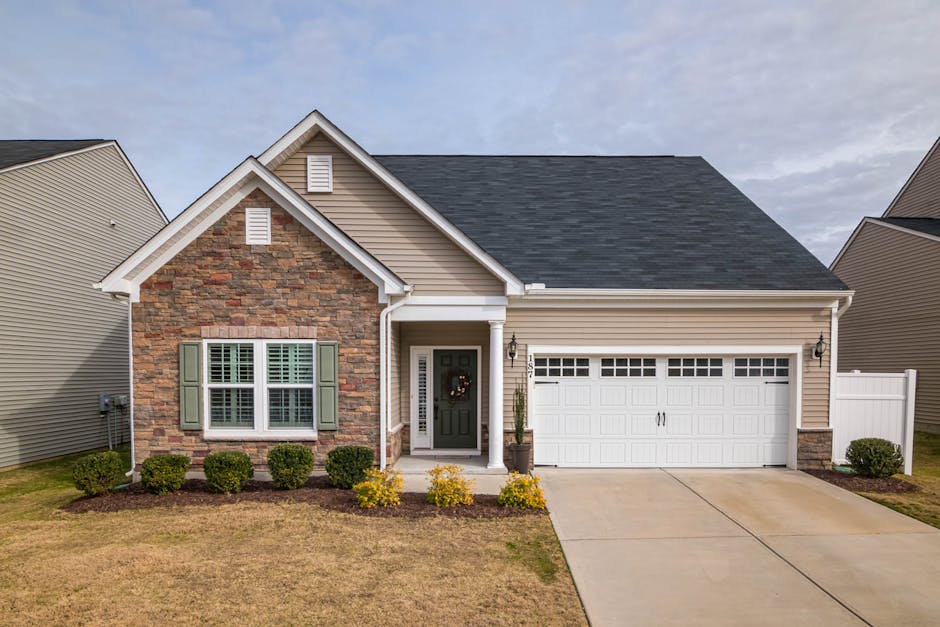
A multi-family home is typically any building that houses more than one separate living unit, each complete with its own kitchen, bathroom, and private living spaces. Examples include duplexes, triplexes, fourplexes, or even larger apartment complexes with many individual units.
Because you’re dealing with multiple families under one roof, multi-family properties naturally involve greater coverage complexity compared to single-family homes. Here are a few important areas where multi family home insurance coverage differs:
You’ll face increased liability exposure since more people living on-site means a higher chance someone might slip, fall, or get hurt. Liability coverage helps protect you financially if a tenant or visitor files a claim after an injury on your property.
Another biggie is loss of rental income. Imagine a fire damages several units and tenants have to temporarily move out. Multi-family policies often cover the income you lose while repairs are taking place, giving you valuable peace of mind.
Don’t forget shared spaces! Multi-family homes usually have common areas like hallways, staircases, laundry rooms, and even parking lots. Your policy should cover repairs and liability issues tied to these communal spaces—areas often overlooked in standard single-family policies.
There’s also the matter of equipment breakdown, such as HVAC systems, boilers, or other shared mechanical equipment. Multi-family policies typically cover repair or replacement costs for these pricey items—which can be lifesavers when unexpected breakdowns happen (and trust us, they do!).
And because multi-family properties are essentially income-generating businesses, your insurance will include certain business coverage components. This ensures your investment is protected as both a home and a source of income.
According to insurance industry guidelines, once a property exceeds four units, it’s generally treated as a commercial enterprise, requiring more comprehensive coverage. Knowing this distinction is vital when you’re choosing the best protection for your property.
As an experienced property manager once told us, “Managing duplexes and apartments isn’t for the faint-hearted. You have to keep tenants happy, units safe, and somehow still find time to breathe.” We couldn’t agree more.
In short, choosing the right multi family home insurance policy is about more than just checking off boxes—it’s about safeguarding your tenants, your income, and your peace of mind. So take the time to fully understand your policy options, and ensure you’re covered for all the curveballs life (and tenants!) can throw your way.
Step 1: Assess Your Multi Family Property Insurance Needs
The first step toward securing the right multi family home insurance is figuring out exactly what you need—and just as importantly, what you don’t. Taking the time now to thoroughly evaluate your property’s needs helps you avoid costly gaps or unnecessary coverage later.
After all, you wouldn’t buy shoes without checking your size first, right? Same logic goes here. You want your insurance to fit just right—not too tight, not too loose.

Property Type Considerations
First things first: what’s your property type? Multi-family homes come in various shapes and sizes, and each has unique coverage requirements.
For example, duplexes have two separate units under one roof, while triplexes and fourplexes have three or four units, respectively. These smaller multi-family homes (2-4 units) usually qualify for standard homeowners or dwelling fire policies, sometimes with additional endorsements.
On the other hand, if your property has five or more units, insurers typically consider it a commercial building. That means you’ll likely need broader, commercial-style coverage.
Knowing your property’s exact type helps you zero in on the best type of policy and avoids surprises later.
Occupancy Status
Next, ask yourself, “Am I living on the property, or am I renting the entire building out?” Believe it or not, your answer makes a big difference when choosing your multi family home insurance.
If your multi-family home is owner-occupied (meaning you live in one of the units), you might qualify for a homeowners policy with special provisions for the rental units. This can simplify your coverage and potentially offer some savings.
On the flip side, a non-owner occupied property—one used purely for rental income—typically requires a landlord insurance policy or dwelling fire coverage custom specifically to rental properties.
As one insurance expert neatly summed it up: “Does the owner live in one of the units? That’s perhaps the most important question when deciding your multi-family coverage needs.”
Evaluating Your Risks
Now let’s talk risk! Understanding your property’s risks in detail helps you pinpoint exactly what coverage you need. Consider important factors like property location: Is your home situated somewhere prone to flooding, earthquakes, hurricanes, or other natural disasters? If you’re unsure, use FEMA’s helpful Flood Map Service Center to quickly check your property’s risk.
Also factor in building age and construction quality. Older structures—especially those with dated electrical wiring, plumbing, or heating systems—may need additional protection.
Don’t forget to evaluate your current property value (both market value and full replacement cost), and think carefully about your rental income. Imagine if your property was damaged and became uninhabitable; how much rental income would you lose each month while repairs were underway? Your policy should protect this income to ensure financial peace of mind.
Another crucial factor is common areas and amenities. Shared spaces like pools, laundry rooms, fitness areas, and playgrounds can significantly increase your liability exposure. You want to make sure your policy covers these spaces adequately.
Lastly, consider your home’s security and safety features (smoke detectors, sprinkler systems, security cameras) and your claims history. These details will impact not only your coverage needs but also your insurance premiums.
If you want to dive deeper into assessing your coverage needs, check out our detailed guide to Home Insurance for Multi Family Homes.
Step 2: Know What Multi Family Home Insurance Covers
When it comes to protecting your multi-family investment, not all insurance policies are created equal. Multi family home insurance is specifically designed to address the unique risks and challenges of owning properties with multiple units. Let’s break down exactly what’s covered so you can feel confident your investment—and your income—is well-protected.

Property Damage Coverage
At the heart of your policy is property damage coverage. This protects the physical structure of your building from many common risks, known in the insurance world as “perils.” Typical events covered include fire, smoke damage, windstorms and hail, lightning strikes, explosions, vandalism, theft, water damage from burst pipes, and damage from falling objects.
When selecting your policy, you’ll choose how your property will be valued after a loss:
- Actual Cash Value (ACV) reimburses you based on replacement cost minus depreciation (think of it as the “garage sale price” of your damaged property—definitely not ideal!).
- Replacement Cost Value (RCV) pays the full amount needed to repair or rebuild your property with similar materials, without deducting for depreciation. (This is usually your best bet!)
- Guaranteed Replacement Cost covers the complete rebuilding expense—even if it goes beyond your policy limits. Great for peace of mind in areas with skyrocketing construction costs.
For most multi-family property owners, Replacement Cost Value coverage provides the ideal balance between affordability and comprehensive protection.
Liability Coverage
With more tenants, visitors, and common areas, liability risks are higher in multi-family homes. Liability coverage protects you financially if someone gets hurt on your property and you’re found legally responsible. It pays for medical expenses, legal defense fees, and any settlements or judgments.
Given the increased foot traffic, experts generally recommend at least $1 million in liability coverage for multi-family homes. For larger properties, umbrella policies can easily extend this coverage up to $15 million, providing extra protection when needed.
Loss of Rental Income
One of the biggest benefits of choosing a specialized multi family home insurance policy is coverage for loss of rental income (sometimes called “business income coverage”). Let’s say a fire or storm damage makes your units temporarily unlivable—this coverage reimburses the rental income you lose during repairs. It also often covers extra expenses, such as relocating tenants or continuing to pay your mortgage while the property is being restored.
Most policies offer rental income coverage for up to 12 months, but you can find options extending to 18 or even 24 months if major repairs or reconstruction might take longer. Trust us—when disaster strikes, this coverage can be a lifesaver (or at least an investment-saver!).
Additional Structures Coverage
If your property has detached garages, sheds, fences, swimming pools, or other standalone structures, Additional Structures Coverage protects those as well. This coverage ensures your entire property—including structures not connected to the main building—is adequately insured.
Equipment Breakdown Coverage
Multi-family properties often have large shared equipment like HVAC systems, boilers, water heaters, electrical systems, or elevators. Your policy can—and should—include Equipment Breakdown Coverage, which helps cover repair or replacement costs when essential mechanical systems fail.
Optional Endorsements and Add-ons
Beyond the core coverage, many property owners benefit from optional endorsements to fill coverage gaps, such as:
- Flood Insurance: Flood damage isn’t covered by standard policies, but it’s essential in flood-prone areas. You can purchase coverage through the National Flood Insurance Program (NFIP) or private insurers. (Not sure about your flood risk? Check FEMA’s flood map here.)
- Earthquake Insurance: Standard policies exclude earthquake damage, so consider adding this coverage if your property is in a high-risk area.
- Ordinance or Law Coverage: If your building must be rebuilt to comply with newer building codes after a covered loss, this endorsement covers those added costs.
- Water Backup and Sump Overflow: This coverage helps with damage from sewer backups or overflowing sump pumps—issues standard policies typically exclude.
- Employment Practices Liability: If you employ property managers or maintenance staff, this protects you against employment-related claims, like wrongful termination or discrimination.
- Cyber & Data Breach Coverage: Storing tenant information electronically? This endorsement helps protect you in the event of cyber-attacks or data breaches.
Coverage Exclusions to Be Aware Of
It’s equally important to understand what your policy does not cover, so you can plan accordingly. Typically, standard multi family home insurance excludes tenant belongings (advise tenants to get their own renters insurance), normal wear and tear, pest infestations, intentional damage, certain natural disasters (like floods or earthquakes), and neglected maintenance issues. Understanding these exclusions helps you address gaps and consider additional coverage where necessary.
Knowing exactly what’s covered—and what’s not—in your multi family home insurance is key to protecting your investment. By choosing the right coverage options and endorsements, you’ll be well-prepared for whatever challenges come your way.
Step 3: Factors Affecting the Cost of Multi Family Home Insurance
When you’re shopping for multi family home insurance, understanding what drives your premium costs can help you make smarter choices. Let’s explore the key factors that influence how much you’ll pay to protect your investment property.
Location and Risk Factors
Your property’s location plays perhaps the biggest role in determining your insurance costs. It’s simple geography, really—some places are just riskier than others:
If your duplex sits in hurricane-prone Florida or earthquake country in California, you’ll generally pay more than someone with an identical property in a less disaster-prone region. I’ve seen premiums vary by as much as 300% just based on location!
Your neighborhood matters too. Properties in areas with higher crime rates typically face steeper premiums. As one client told me, “I was shocked at how much less I paid after moving my investment property just three miles away to a different zip code.”
Even proximity to fire stations and hydrants can lower your rates significantly. Insurance companies love properties with quick emergency response times.
Flood zone designations are another major factor. If your multi-family home sits in a FEMA-designated flood zone, you’ll need separate flood insurance on top of your regular policy, increasing your overall costs.
Building Age and Condition
That charming 1920s fourplex might attract tenants with its vintage appeal, but your insurance company sees it differently:
Older buildings typically cost more to insure because they often have outdated electrical systems (knob-and-tube wiring is a red flag), aging plumbing that’s prone to leaks, and older roofs that might not withstand the next big storm.
One property investor shared: “After updating my triplex’s electrical panel and plumbing, my premium dropped by nearly 20%. The upgrades paid for themselves within three years.”
Insurance companies view well-maintained properties much more favorably. That regular maintenance you perform isn’t just keeping tenants happy—it’s potentially saving you thousands in premium costs over time.
Safety Features and Risk Mitigation
Smart property owners know that investing in safety features often pays for itself through insurance discounts:
Installing comprehensive fire alarm systems (especially monitored ones), sprinklers in common areas, and security systems with surveillance cameras can earn you discounts ranging from 5-20% with many insurers.
Multi family home insurance providers particularly value features that prevent catastrophic losses, like firewalls between units that can contain potential fires. Even simple improvements like installing deadbolt locks, smoke detectors, and carbon monoxide detectors in all units can lead to meaningful savings.
As one insurance underwriter told me, “We love to see property owners who take preventative measures. It shows us they’re serious about risk management.”
Number of Units and Occupancy Type
The complexity of your insurance naturally increases with more units under one roof:
| Factor | Single-Family Home | 2-4 Unit Multi-Family | 5+ Unit Multi-Family |
|---|---|---|---|
| Policy Type | Homeowners (HO-3) | Dwelling Fire (DP-3) or Homeowners with endorsements | Commercial Package Policy |
| Typical Annual Premium | $1,000-2,000 | $2,000-6,000 | $1,000-3,000 per million in coverage |
| Liability Exposure | Lower | Moderate | Higher |
| Loss of Income Coverage | Not applicable | Important | Critical |
| Typical Deductible | $500-2,500 | $1,000-5,000 | $2,500-25,000 |
| Impact of Vacancy | Minimal concern | Moderate concern | Major rating factor |
Living in one of the units yourself (owner-occupied) typically earns you better rates than purely investment properties. Insurers assume you’ll keep a closer eye on maintenance issues and tenant behavior when you live on-site.
Vacancy is another consideration. A partially vacant building presents higher risks of vandalism and undetected problems, often resulting in premium surcharges if vacancy rates exceed certain thresholds.
Construction Materials and Building Features
What your building is made of significantly impacts your insurance costs:
Frame construction buildings (primarily wood) generally cost more to insure due to increased fire risk. By contrast, brick and masonry construction usually results in lower premiums because these materials are more fire-resistant.
Your roof deserves special attention too. Newer, impact-resistant roofing materials often qualify for substantial discounts, particularly in regions prone to hail or high winds. One property owner in Texas shared: “Upgrading to Class 4 impact-resistant shingles lowered my premium by 15% and improved my property value at the same time.”
Claims History
Your personal claims history follows you like a shadow in the insurance world:
Making multiple claims within a short period can flag you as a high-risk client. According to industry data, even a single claim can increase premiums by 20-40%, while multiple claims might make finding affordable coverage challenging.
Certain types of claims raise more red flags than others. Water damage claims, especially repeated ones, often lead to higher premiums or even coverage restrictions. Major fire or liability claims can impact your rates for years.
The property’s claims history matters too, even before you owned it. When purchasing a multi-family property, it’s worth asking about previous insurance claims, as they could affect your future premiums.
The good news? Many insurers offer “claim-free discounts” that can reduce your premium by 10-20% after several years without filing a claim.
Understanding these factors doesn’t just help you predict costs—it empowers you to make strategic decisions about property improvements, maintenance, and even which properties to purchase in the first place. The right approach to multi family home insurance can turn what seems like just another expense into a manageable part of your investment strategy.
Step 4: Choosing the Right Multi Family Home Insurance Provider
Finding the right insurance for your multi-family property involves more than just selecting coverage options—it’s also about choosing the right insurance provider. A reliable insurer is like having a dependable partner who’s there to help when things go wrong. So, let’s discuss exactly what you should look for when picking your ideal multi family home insurance provider.

What to Look for in a Multi Family Home Insurance Provider
When comparing providers, always start by checking their financial strength and stability. After all, you need them to stick around and pay up if your property suffers a significant loss. Look for insurance companies with strong financial ratings, such as an AM Best rating of A++ or A+. Providers rated highly by Standard & Poor’s or Moody’s are also good bets. Additionally, companies that have been around for decades have proved they can handle major challenges and still deliver reliable service.
Next, consider the provider’s experience with multi-family properties. Not all insurers are equally skilled in managing the unique risks associated with duplexes, triplexes, fourplexes, or larger apartment buildings. Seek out insurers who specialize—or at least have solid experience—in multi-family coverage. They’re more likely to understand local building codes, regulations, and the unique needs of property investors like you. As one of our happy property-owner clients put it, “Switching to an insurer that specialized in multi-family properties felt like finally finding someone who spoke my language—no more having to explain every detail!”
You’ll also want a provider that offers customizable policies. A flexible insurer should have plenty of options to fit your unique needs, like blanket coverage for multiple buildings, scheduled coverage for specific high-value items, and various deductible options to help balance premiums and risk. Optional endorsements, such as equipment breakdown or ordinance and law coverage, should also be readily available.
Another critical factor is customer service and claims handling. When you finally need to file a claim, you’ll want someone who provides fast, hassle-free support. Quality insurers offer 24/7 claims reporting, dedicated claims adjusters familiar with multi-family properties, and transparent step-by-step processes. Check customer reviews, especially those related to claims handling. As another property owner shared with us, “After our building fire, the insurer responded fast—within 24 hours, an adjuster was there, and emergency repairs were underway immediately. It made a huge difference.”
Finally, today’s best insurance providers offer excellent technology and accessibility. This means convenient online account management, easy mobile apps for quick access to your policy details, and digital document delivery. These features can save you significant time and hassle, letting you focus more on managing your properties and less on paperwork.
Comparing Multi Family Home Insurance Quotes
Once you’ve narrowed down a few good providers, it’s crucial to compare quotes carefully. To ensure you’re getting an apples-to-apples comparison, always match coverage specifics, including the same building coverage limits (ideally based on replacement cost), equal liability limits (at least $1 million is common for multi-family properties), and similar additional coverages (like loss of rental income or equipment breakdown coverage).
Make sure to compare deductible levels carefully. Higher deductibles typically mean lower premiums, but you’ll need to be prepared for higher out-of-pocket costs in case of a claim.
Don’t just glance at the premium prices. Dig deeper into what’s included and excluded. Policies often have exclusions or hidden limitations—for instance, some might not cover mold damage or specific types of water damage. Also, consider the available discounts, such as savings for bundled policies, annual payment options, or features like security systems and fire alarms.
And speaking of payments, take note of premium financing options, as some insurers offer interest-free payment plans that can ease your budgeting.
If you’re feeling overwhelmed by all this, no worries! At NUsure, we simplify the entire process. You can easily compare customized multi family home insurance quotes from more than 50 top-rated carriers. Our goal is always to help you find the right provider and coverage—quickly, smoothly, and without any hidden fees.
Step 5: Tips to Reduce Your Multi Family Home Insurance Costs
Protecting your investment with comprehensive multi family home insurance is essential—but that doesn’t mean you have to break the bank. Fortunately, there are many practical ways to keep premiums manageable, allowing you to maintain great coverage without overspending. Let’s explore some proven strategies to lower your costs while ensuring your properties remain safe and secure.
Install and Upgrade Safety Features
Safety features not only protect your tenants and property—they can also lead to significant savings on your insurance premiums. Insurers love properties that actively manage risk, so adding or upgrading certain safety measures can make a real difference.
Consider installing fire protection systems like centrally monitored fire alarms and sprinkler systems. These improvements can reduce your premiums by 5-15%, giving you peace of mind and extra savings.
Additionally, boosting your property’s security profile with burglar alarms, security cameras, or controlled access points shows insurers you’re serious about protecting your tenants. Even something as simple as improved outdoor lighting can lower your liability risk by keeping common areas safe and well-lit.
Smart home technology, like water leak detection systems, smart smoke detectors, and temperature monitors, can further reduce risk by catching issues early. As one insurance expert wisely says, “Implementing safety measures like smoke detectors and security systems can lower your premiums, while simultaneously protecting your tenants and property.”
Implement Regular Maintenance Programs
Regular maintenance isn’t just good practice—it’s good business. Insurance providers often reward property owners who proactively care for their buildings, as consistent upkeep reduces the likelihood of costly claims.
Set a clear maintenance schedule that includes annual roof inspections to catch leaks early, routine HVAC servicing, plumbing check-ups, and electrical system reviews. Fixing small problems before they become big claims is a surefire way to keep your premiums low.
Don’t forget external maintenance, like repairing sidewalks, stair rails, fences, and other common-area improvements. These simple steps can dramatically cut down on liability claims due to slips, trips, and falls. Keep detailed records of your maintenance activities, as insurers often offer discounts for documented, formalized maintenance programs.
Consider Higher Deductibles
Another straightforward strategy to lower your multi family home insurance premium is to choose a higher deductible—the amount you pay out-of-pocket before insurance kicks in.
Standard deductibles for multi-family properties usually range from $1,000 to $5,000, although some policies offer percentage-based deductibles (such as 1-5% of insured value). In high-risk areas, separate deductibles for wind or hail damage might also apply.
Before opting for a higher deductible, make sure you’re financially comfortable handling a larger upfront cost. Higher deductibles significantly reduce premiums, but you’ll want enough cash reserves available to cover the deductible in case of a claim.
Bundle Insurance Policies
Who doesn’t love a good discount? Bundling your insurance policies can offer significant savings—typically ranging from 10% to 25%. Insurance companies often reward customers who insure multiple properties or combine different types of policies under one provider.
If you own several properties, consider consolidating your coverage to benefit from multiple property discounts. You can also bundle your multi-family property policy with other business or personal policies, such as auto or umbrella liability insurance. By consolidating your coverage, you’ll not only simplify managing your policies—you’ll also keep more money in your pocket.
Implement Risk Mitigation Strategies
Beyond physical improvements, adopting smart operational practices can significantly reduce your risk profile—and your premiums along with it.
Start by using thorough tenant screening procedures, including background and credit checks, to identify responsible tenants. Clear, detailed lease agreements outlining tenant responsibilities can help prevent disputes and liability claims.
Simple policies, like establishing no-smoking rules or having clear pet policies (limiting high-risk dog breeds or requiring pet deposits), can prevent damage and lower premiums. Regular property inspections ensure hazards are caught early, reducing the risk of tenant injuries or costly repairs.
Additional Cost-Saving Tips
Here are a few more quick and easy tips to keep your multi family home insurance costs down:
- Pay your premiums annually instead of monthly. Most insurers offer discounts between 5-10% for lump-sum payments.
- Maintain good credit, since insurers often factor your credit score into premium calculations.
- Look into joining landlord associations, as some offer group insurance programs at preferred rates.
- Review your coverage each year to avoid paying for coverages you no longer need.
- Consider an umbrella liability policy with a higher deductible to affordably extend your liability protection.
As a property owner recently shared with us, “After implementing a comprehensive maintenance program and upgrading our smoke detectors, we saw a 22% reduction in our premium at renewal. The upfront investment paid for itself in less than a year.”
The cheapest policy isn’t always the best value. Aim for a smart balance—combining comprehensive protection with practical savings—to effectively safeguard your multi-family property investment.
Frequently Asked Questions about Multi Family Home Insurance
Do I Need Special Insurance for My Multi Family Home?
Yes, you definitely need specialized multi family home insurance. Regular homeowners insurance typically covers single-family houses and won’t adequately protect your multi-unit property. Since multi-family homes come with unique risks—like multiple tenants, shared spaces, and rental income—standard policies just don’t cut it.
With multiple tenants and separate units, your risk exposure grows significantly. Tenant-related problems, like accidental injuries, property damage, or legal liability, become more likely. Plus, standard homeowner policies don’t usually cover loss of rental income if your units become unlivable after an accident or disaster.
Also, think about shared spaces like hallways, laundry rooms, or parking lots. These areas increase the chance of accidents and liability claims. Your multi family property functions as a business investment, and that means you need business-oriented insurance protection.
It’s worth mentioning that mortgage lenders often have strict insurance requirements for multi-family homes. Make sure you understand what’s required from your lender or property management company.
The good news? If you live in one of the units (owner-occupied) and your property has between 2 and 4 units, you might be able to get coverage through a homeowners policy with special rental endorsements. But, if you don’t live on-site or own a larger property, you’ll typically need a full commercial policy custom specifically to multi-family homes.
How Much Does Multi Family Home Insurance Cost?
You’ve probably already guessed it—multi family home insurance tends to cost more than single-family home insurance. On average, insurance for small multi-family homes (duplexes, triplexes, fourplexes) typically runs between $2,000 and $6,000 per year. For bigger properties or apartment buildings, expect premiums between $1,000 and $3,000 per million dollars of coverage each year.
Why the higher cost? More units mean more risks. Insurers figure you’re more likely to experience claims like water damage, fires, or liability issues. They also need to factor in your property’s location (hello, Florida hurricanes!), building age, construction type, and claims history. Having safety features like fire alarms and security systems can help lower your costs.
One of our clients in Miami summed it up perfectly: “After buying my fourplex, my insurance quote nearly gave me a heart attack—it was triple what I paid for my old single-family home! But after upgrading electrical wiring, adding a monitored security system, and raising my deductible a bit, I saved around 30%.”
To get a clear picture of your insurance costs, it’s smart to get multiple quotes. At NUsure, we make it easy to compare quotes from over 50 top-rated carriers, so you know you’re getting the best coverage at the best price.
What Does Multi Family Home Insurance Cover?
A good multi family home insurance policy provides broad protection for your property, your tenants, and your investment.
Here’s the scoop on what it covers:
First, your policy protects against common disasters like fire and smoke, windstorms and hail, lightning strikes, accidental explosions, vandalism, theft, and sudden water damage (like burst pipes). Though, that some perils like floods and earthquakes are excluded—you’d need separate coverage for those.
The main coverage includes protection for your building, including walls, roofs, flooring, and built-in appliances. Also covered are detached structures like garages and fences, plus any business property you provide tenants such as appliances or furniture.
One coverage people often overlook—but you’ll be glad you didn’t—is loss of rental income. If your units become temporarily unlivable after a covered loss, this coverage kicks in to reimburse lost rent and even helps cover extra costs while repairs take place.
Liability coverage is equally important. If a tenant or guest is injured on your property and you’re held responsible, your policy covers medical costs, legal expenses, and settlements or judgments. Policies also typically include coverage for personal injury liability—claims like wrongful eviction or invasion of privacy.
It’s good to remember what your policy probably won’t cover: tenant belongings (they’ll need renters insurance), routine maintenance issues, intentional damages, pest infestations, floods, and earthquakes. For these gaps, you’ll want to explore optional add-ons (endorsements) like flood insurance, earthquake coverage, equipment breakdown coverage, sewer backup coverage, cyber liability, and even employment practices liability if you have property managers or employees.
As one insurance professional wisely said, “Your standard policy might cover theft and vandalism after something crazy like a riot, but floods? Don’t count on it without specific add-ons.”
The best policy will cover your risks comprehensively so you won’t have to worry about unexpected expenses. To dive deeper into multi-family coverage options, check out our comprehensive guide to Home Insurance for Multi Family Homes.
Conclusion
Securing the right multi family home insurance is a vital part of protecting your property investment—giving you peace of mind and financial security. As we’ve learned together through this guide, multi-family properties bring unique challenges and risks, and these require specialized coverage that’s different from typical single-family home insurance.
Proper coverage begins with thoroughly assessing the specific needs of your property. Consider your property’s type—whether it’s a duplex, triplex, or larger apartment building—and your occupancy situation. Owner-occupied and purely rental properties each have their own insurance requirements. Evaluating factors like location, building materials, age, and safety features will help tailor your insurance to fit your exact situation.
Understanding precisely what your policy covers is also essential. Comprehensive multi family home insurance typically includes protection for property damage, liability risks, and loss of rental income. Optional coverages—such as flood insurance or ordinance and law endorsements—can fill coverage gaps and further safeguard your financial investment.
When it comes to cost, several factors influence your premiums. Location plays a major role, particularly if your property sits in an area prone to natural disasters. Likewise, the building’s age, condition, construction materials, claims history, and number of units all affect your rates. Fortunately, implementing safety features like fire alarms, sprinklers, and security systems can lower your premiums, making your investment safer and more affordable to insure.
Choosing the right insurance provider is equally important. Look for a company with solid financial strength, specialized experience in covering multi-family homes, and strong customer reviews—especially regarding claims handling. Comparing quotes from different insurers allows you to see how various policies stack up in terms of coverage limits, deductibles, exclusions, and premium costs.
To keep your insurance expenses manageable, consider cost-saving strategies such as installing safety features, performing regular maintenance, raising your deductible, and bundling policies. Making your property safer and showing insurers that you actively manage risk can significantly lower your costs. As one insurance expert wisely said, “Implementing safety measures like smoke detectors and security systems can lower your premiums while simultaneously protecting your tenants and property.”
The reality is, being underinsured can be devastating if disaster strikes. One property owner we spoke to described his experience vividly: “You could hear crackling and popping—like kindling in a fireplace. At that moment, I was incredibly grateful I had comprehensive coverage that not only rebuilt my property but also covered the rental income I lost during reconstruction.”
At NUsure, we know multi-family home insurance inside and out. Our friendly team works closely with more than 50 top-rated carriers to make sure you get exactly the coverage your property needs—without breaking the bank. Plus, our year-round policy monitoring ensures your coverage stays current as your property evolves and the market changes.
Whether you’re a seasoned investor managing an apartment complex in Miami or you’re just getting started with your first duplex, we’re here to make insurance easy, affordable, and stress-free. Learn more about Home Insurance for Multi Family Homes and get personalized, hassle-free quotes today.
Protecting your investment doesn’t have to be complicated (or feel like pulling teeth!). With the right guidance and coverage, you really can enjoy the rewarding journey of owning a multi-family property—knowing you’ve got NUsure in your corner.