

save money on home insurance: 6 Powerful Tips for 2025
Why Home Insurance Premiums Are Skyrocketing (And How to Fight Back)
To save money on home insurance, consider these proven strategies that can lower your premium immediately:
| Strategy | Potential Savings |
|---|---|
| Raise deductible from $500 to $1,000 | Up to 25% |
| Bundle home and auto policies | 5-30% |
| Install security systems | 2-6% |
| Improve credit score | Up to 73% difference between poor and good credit |
| Shop around for quotes | $1,000+ annually |
Homeowners insurance premiums have risen dramatically—up 12% in 2023 and another 6.9% in early 2024—far outpacing historical averages. This increase is driven by more frequent severe weather events, rising construction costs (up 40% since 2019), and higher reinsurance prices that insurers pass on to consumers.
I’m Michael J. Alvarez, CPRM, CPIA, a Property & Casualty risk and loss control executive with extensive experience helping homeowners save money on home insurance in the challenging Florida and New Jersey markets, where I’ve created successful insurance organizations focused on delivering affordable protection options.
Save money on home insurance terms you need:
– home insurance coverage options
– home insurance premium comparison

1. Shop Around & Compare Apples to Apples
Let’s face it—home insurance prices can vary wildly between companies, sometimes by hundreds or even thousands of dollars for identical coverage. At NUsure, we’ve watched countless homeowners’ jaws drop when they find how much they can save money on home insurance just by shopping around.
“Many American consumers are struggling to deal with skyrocketing homeowners insurance premiums,” notes a recent industry report. In today’s market, comparing quotes isn’t just financially smart—it’s absolutely necessary.
The trick to effective comparison shopping is making sure you’re looking at truly identical coverage. It’s like comparing cell phone plans—those seemingly small differences can add up to big money. When reviewing quotes, double-check these crucial elements:
Your dwelling coverage should match your home’s actual rebuild cost (not market value), personal property limits typically run 50-70% of that amount, and liability protection should be at least $300,000 to properly shield your assets. Don’t forget to compare deductibles for both standard claims and special perils like wind or hail, plus additional living expenses coverage that helps if you’re temporarily displaced.
Maria from Miami recently shared her experience: “I thought I was getting a good deal until I compared quotes through NUsure. I found the same coverage for $780 less per year—that’s real money back in my pocket!”
We generally recommend collecting quotes from at least three different insurers. At NUsure, we make this process painless by connecting you with 50+ top-rated carriers in minutes through our Compare Home Insurance Prices tool. You can also check sample rates in your area through resources like HelpInsure.com.
Check Financial Strength Before You Switch
While a lower premium is wonderful, it means nothing if your insurer can’t pay when disaster strikes. Before switching companies to save money on home insurance, take a moment to verify their financial stability.
Think of financial strength ratings as a company’s financial health report card. Check these independent rating agencies:
A.M. Best (aim for B+ or higher), Standard & Poor’s (look for at least A-), and Moody’s (A3 or better indicates solid footing). These ratings tell you whether a company has the financial muscle to handle major events like hurricanes or wildfires that might affect thousands of policyholders at once.
Customer service matters too. You can easily review complaint ratios through your state insurance department or the National Association of Insurance Commissioners consumer tools. These ratios show how many complaints an insurer receives compared to its size—fewer complaints generally means better service when you need it most.
The cheapest policy isn’t always the best value. The real bargain is finding reliable coverage at a fair price from a company that’ll be there when you need them.
2. Raise Your Deductible the Smart Way
Your deductible is that out-of-pocket amount you’ll need to cover before your insurance company steps in to help. Think of it as your skin in the game – and one of your most powerful tools to save money on home insurance without sacrificing important coverage.

Here’s something fascinating: insurance industry data shows that simply bumping your deductible from $500 to $1,000 can trim your premium by up to 25%. Take it up another notch to $2,500, and you might save an additional 13% each year.
Let me share a real-world example that shows just how significant these savings can be:
| Deductible | Annual Premium | Annual Savings | 5-Year Savings |
|---|---|---|---|
| $500 | $2,474 | — | — |
| $1,000 | $1,856 | $618 | $3,090 |
| $2,500 | $1,895 | $579 | $2,895 |
But before you rush to raise that deductible, let’s talk about the smart way to do this. This strategy only makes financial sense if you’ve got enough tucked away to cover that higher deductible should you need to file a claim. I always recommend having at least your full deductible amount safely set aside in an emergency fund before making this adjustment.
Pro tip: Pay close attention to those separate deductibles that many policies now include for specific perils like wind, hail, or hurricane damage – especially if you live in coastal areas like Florida. These specialty deductibles often work differently, calculated as a percentage of your dwelling coverage (typically 1-5%). On a $300,000 policy, you could be looking at $3,000-$15,000 coming out of your pocket for these specific events.
James, one of our NUsure customers in Miami, found a balanced approach: “I raised my standard deductible to $2,500 but kept my hurricane deductible at 2% of coverage. This saved me over $400 annually while keeping my risk at a level I’m comfortable with.”
The key is finding that sweet spot where your premium savings outweigh the additional risk you’re taking on. Your deductible should reflect both your financial comfort zone and how likely you are to file small claims. The goal isn’t just to save money on home insurance today – it’s to create a sustainable strategy that protects your home and your wallet through all seasons.
3. Bundle & Stack Discounts to Save Money on Home Insurance
Who doesn’t love a good discount? And when it comes to home insurance, why settle for just one when you can stack several to maximize your savings?
Think of insurance discounts like ingredients in your favorite recipe – individually they’re nice, but together they create something truly special for your wallet.
Bundling home & auto to save money on home insurance
The multi-policy or “bundling” discount is the heavyweight champion of insurance savings. By keeping your home and auto insurance with the same carrier, you could trim:
- 5-15% off your homeowners premium
- 10-25% off your auto insurance
- Up to 30% off your overall insurance costs
Sarah from Tampa told us: “Bundling my policies saved me nearly $500 a year – that’s my family’s entire Christmas shopping budget!”
Beyond just saving money, bundling creates a simpler insurance life. You’ll enjoy one point of contact for claims, a single payment date, and less paperwork cluttering your desk. Many carriers even offer a single deductible if both your home and car are damaged in the same event (imagine the savings during a severe storm).
At NUsure, we love helping customers find these perfect bundling matches across our network of 50+ carriers. Sometimes the best auto and home bundle comes from companies you might not have considered on your own.
Group programs that help you save money on home insurance
Many homeowners miss out on valuable group discounts hiding in plain sight. Your connections might be worth serious cash!
Are you a teacher, nurse, or accountant? Your professional association likely has insurance partnerships. Did you graduate from college? Your alumni association probably offers insurance perks. Even your employer might provide access to special insurance rates.
Professional and alumni groups often negotiate 5-10% premium reductions for their members. Credit unions and membership banks frequently offer similar savings opportunities. Military service connections (whether active or veteran) can open up special rates with certain carriers. And many employers sponsor insurance programs with preferred pricing.
“I never thought to ask about my university alumni association,” says Thomas from Fort Lauderdale. “That simple question saved me 8% on top of my other discounts.”
Don’t overlook these common discounts that can further pad your savings: paperless billing (1-3%), autopay enrollment (2-5%), senior/retiree status (up to 10% for homeowners over 55), new homebuyer programs (10-15%), and claims-free rewards (5-20% for maintaining a clean record).
The beauty of working with NUsure is that we automatically check for all applicable discounts when comparing quotes. We’re like discount detectives, making sure you don’t miss a single saving opportunity. For even more ways to compare costs, check out our Home Insurance Premium Comparison tool.
Small discounts add up. A 3% paperless discount might seem minor, but combine it with bundling, group membership, and autopay savings, and suddenly you’re looking at substantial relief from those rising premiums.
4. Fortify Your Home for Lower Risk (and Lower Rates)
Making your home more disaster-resistant isn’t just about safety—it’s a smart investment that helps you save money on home insurance while protecting your most valuable asset.

With building costs soaring 40% since 2019, insurance companies are increasingly rewarding homeowners who take proactive steps to prevent claims. It’s a win-win: you reduce your risk of damage while trimming your premium costs.
Roof Upgrades: Your First Line of Defense
Your roof takes the brunt of nature’s fury, which is why upgrading to impact-resistant materials can earn you discounts of 5-35% on your premium. This is especially valuable in storm-prone regions.
“After Hurricane Irma destroyed our neighbor’s roof, we installed a fortified roofing system,” shares Lisa from Miami Beach. “Our insurance premium dropped by 22%, and we sleep better knowing we’re better protected.”
Florida homeowners should definitely consider a wind mitigation inspection. Documenting features like roof clips, hurricane straps, or reinforced gables can save you hundreds each year. Check out the Fortified roofing guide for specifications that meet insurer standards.
Storm Protection That Pays You Back
Installing storm shutters or impact-resistant windows isn’t cheap, but the 5-15% premium reduction helps offset the cost over time. In coastal areas, hurricane-rated garage doors qualify for additional discounts, sometimes bringing total savings to 20% or more.
These improvements don’t just save on insurance—they also protect your belongings and potentially save you from paying a large deductible after a disaster.
Smart Security Saves More Than Just Peace of Mind
Modern security systems do more than deter break-ins—they directly impact your insurance costs:
Traditional security with monitored burglar alarms typically saves 2-6% on premiums, while professional monitoring services can bump that up to 13% with some carriers.
Smart-home security takes savings to the next level. Companies like Hippo offer special discounts for homeowners who install connected devices that allow remote monitoring and control.
Water Damage: The Silent Premium Killer
Water damage claims are among the most common and costly for insurers, which is why preventing them can significantly reduce your rates. Smart water leak detection systems with automatic shut-off capabilities can save you 3-8% on premiums.
Even simpler upgrades like updated plumbing (done within the last 15 years) often qualify for modernization discounts. Some insurers also reward homes with modern electrical systems and newer appliances.
Fire Prevention Pays Off
Installing fire sprinkler systems or smoke detectors connected to a monitoring service can reduce your premium by 5-10%. Many insurers also offer discounts for homes within a certain distance of a fire hydrant or fire station.
Before investing in any home improvements, check with NUsure to confirm which upgrades will yield the best return for your specific situation and location. We can help you calculate the break-even point where premium savings justify the upfront costs.
The best part? These improvements don’t just save money on home insurance—they also increase your home’s value and protect your family from devastating losses that might exceed your coverage limits.
5. Keep a Clean Record: Credit, Claims & “Attractive Nuisances”
Your personal habits and property features have a surprising impact on your insurance costs. Let’s look at three areas where small changes can help you save money on home insurance without sacrificing protection.
Credit-Based Insurance Scores
Most people don’t realize that their credit history affects their insurance rates, but the numbers tell a powerful story. Homeowners with poor credit typically pay a whopping 73% more for the same coverage compared to those with good credit. On an average policy, that difference can exceed $1,700 per year!
“When I improved my credit score from ‘fair’ to ‘good,’ my premium dropped by nearly $600,” shares Jennifer from Tampa. “It was like getting a bonus check just for paying bills on time.”
To boost your insurance score, focus on consistent financial habits: pay bills punctually, chip away at credit card balances, and be selective about opening new accounts. Don’t forget to check your credit reports for errors at annualcreditreport.com – a simple correction could save you hundreds.
Here’s a tip many agents won’t mention: after improving your credit, call your insurer and ask them to re-rate your policy. Many companies will adjust your premium immediately rather than making you wait until renewal time.
Strategic Claims Management
Every claim you file follows you for years – typically 3-7 years in your insurance history – and can bump your premium by 9-20% each time. This creates an important question: are small claims worth filing?
Consider this real-world scenario we recently helped a customer steer:
Wind damage to their roof would cost $1,500 to repair. With a $1,000 deductible, insurance would pay $500. But filing would likely increase their premium by about $180 annually for five years – a $900 total increase! By handling this repair out-of-pocket, they actually saved $400 over time while preserving their valuable claims-free discount.
“I was about to file a small claim until my NUsure advisor helped me do the math,” explains Michael from Jacksonville. “That five-minute conversation saved me nearly $500 over the next few years.”
Insurance works best as protection against major losses that would be financially devastating, not as a maintenance plan for your home.
“Attractive Nuisances” and Liability Risks
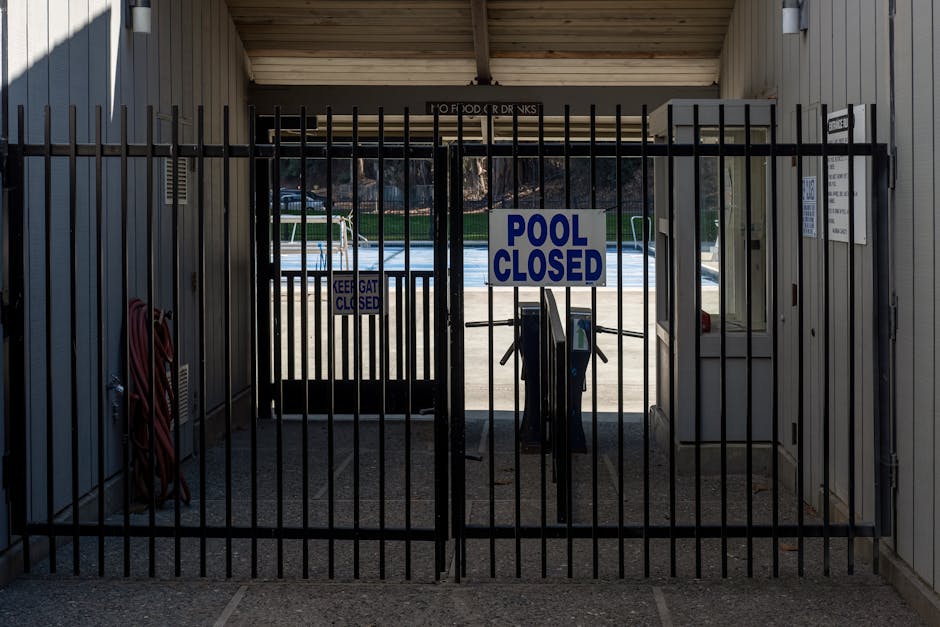
That beautiful backyard pool or trampoline might bring joy to your family, but to insurers, they’re “attractive nuisances” – features that increase injury risk and potentially lead to costly liability claims.
Swimming pools typically increase premiums by 10-50%, with the exact amount depending on safety measures you have in place. Trampolines often trigger surcharges or might even be excluded from coverage altogether. And if you own certain dog breeds that insurers consider high-risk, you might face additional premium increases or coverage limitations.
The good news? You can still enjoy these features while keeping costs reasonable. Installing a proper pool fence with self-closing gates can significantly reduce your pool surcharge. For dog owners, completing certified training courses can demonstrate responsible ownership to your insurer.
“When we bought our home with a pool, our quote was $420 higher than similar homes without pools,” says Robert from Coral Gables. “After installing a fence with childproof locks and a pool alarm, that difference dropped to just $180.”
At NUsure, we’ve helped countless homeowners find the perfect balance between enjoying their property features and maintaining affordable coverage. Sometimes, a small investment in safety can lead to substantial insurance savings year after year.
6. Quick Answers to Hot Questions
Let’s tackle those burning questions I hear from NUsure customers every day about how to save money on home insurance. These are the real-world concerns keeping homeowners up at night:
How often should I review my policy?
Life doesn’t stand still, and neither should your insurance coverage. Review your homeowners insurance annually, ideally 60-90 days before renewal. This timing isn’t random—it gives you plenty of breathing room to:
Take a fresh home inventory with your smartphone (those quick photos or videos of each room can be lifesavers during claims). I always tell homeowners to open drawers and closets too—you’d be surprised how quickly those contents add up!
Hold onto receipts from those weekend DIY projects or professional renovations. That new kitchen didn’t just make breakfast more enjoyable—it also increased your home’s value and replacement cost.
Your life circumstances change, and so do available discounts. Maybe you installed a security system, joined a professional association, or improved your credit score? Any of these might open up new savings.
Beyond your annual check-in, certain life events should trigger an immediate review: completing a major renovation, purchasing valuable items like jewelry or artwork, installing security systems, or paying off your mortgage (congratulations!).
Watch out for that “inflation guard” feature in your policy. While it sounds helpful—and it is for preventing underinsurance—it automatically increases your coverage limits and premium each year. Make sure those adjustments actually reflect local rebuilding costs rather than just default increases.
Replacement cost vs. actual cash value—what’s the difference?
This seemingly small policy detail makes a huge difference when disaster strikes. Let me break it down:
With replacement cost coverage, your insurance pays to replace damaged items with new ones of similar quality and function. Yes, it costs 10-20% more in premium, but the protection is far more comprehensive. Imagine your 5-year-old television gets damaged—replacement cost coverage would provide a new equivalent model.
Under actual cash value coverage, you’ll receive only the depreciated value of damaged items. Your premium will be lower, but so will your claim payments. That same 5-year-old TV might only be valued at 30-50% of what a new one costs, leaving you to cover the difference out of pocket.
For most homeowners, replacement cost coverage for your dwelling structure is non-negotiable, but you might consider actual cash value for personal property if budget is your priority and you have savings to fill the gaps.
Some forward-thinking homeowners opt for extended replacement cost coverage, which provides an additional 25-50% above your dwelling limit if rebuilding costs exceed expectations. In today’s unpredictable construction market with materials and labor costs fluctuating wildly, this extra layer of protection offers tremendous peace of mind.
Floods, quakes & other exclusions: do I need extra coverage?
The fine print matters! Standard homeowners policies have some surprising holes in their coverage:
Flood damage requires separate flood insurance through either the National Flood Insurance Program (NFIP) or private insurers. Don’t fall into the “I’m not in a flood zone” trap—over 20% of flood claims come from properties in “low-risk” areas. A typical flood policy averages $700 annually, which seems steep until you compare it to the potential for hundreds of thousands in uninsured water damage.
Earthquake damage needs its own policy or endorsement, with costs varying dramatically by location. If you’re in California or another seismically active region, this isn’t coverage to skimp on.
Mold remediation is often limited to just $5,000-$10,000 in standard policies—barely enough to address a serious problem in one room, let alone throughout your home.
Sewer backup typically gets excluded unless you specifically add coverage. For $50-$250 annually, you can protect yourself against damage that commonly exceeds $5,000 per incident.
If your home sits in a designated flood zone, your mortgage lender probably requires flood insurance. But even if it’s not mandatory, consider this: just a few inches of floodwater can cause tens of thousands in damage. At NUsure, we regularly help homeowners identify these coverage gaps and find affordable options to fill them without derailing their budgets.
The cheapest policy isn’t always the best value—it’s the one that actually protects you when you need it most.
Conclusion: Your Action Plan to Save Money on Home Insurance
Implementing the strategies we’ve discussed can lead to substantial savings on your homeowners insurance while maintaining the protection you need. Here’s your action plan:
- Compare quotes from multiple insurers through NUsure’s marketplace of 50+ carriers
- Raise your deductible strategically based on your emergency fund capacity
- Bundle policies and stack all eligible discounts
- Fortify your home with safety and security improvements
- Maintain good credit and be strategic about claims
- Review your policy annually to ensure you’re not overpaying
The cheapest policy isn’t always the best value. Focus on finding the right balance of coverage, cost, and service quality.
At NUsure, we don’t just help you find initial savings—our year-round policy monitoring keeps you informed about new discount opportunities and competitive rates as the market changes. We’re committed to helping homeowners in Miami and beyond steer the increasingly complex insurance landscape.
Ready to start saving? Get a free quote comparison today and see how much you could save on your homeowners insurance.